Licensed, Bonded & Insured
Palm Beach U-21244
Broward 09-P-15607-R


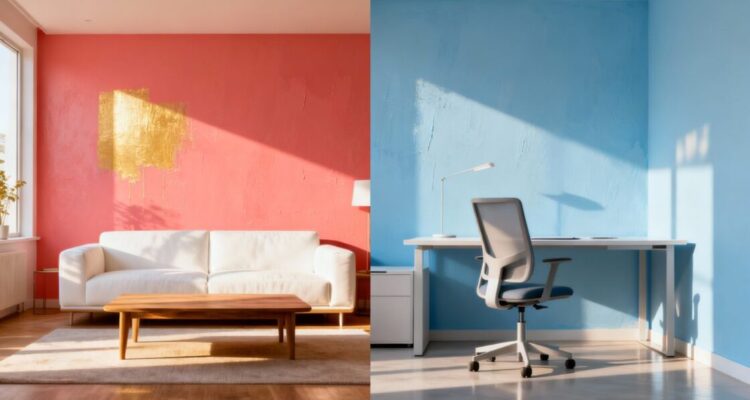
We’ve been noticing some pretty interesting shifts in how people are approaching their living and working spaces lately. It’s not just about slapping on a fresh coat of paint anymore; there’s a real thought process going into color choices, textures, and even the type of paint used. These new painting trends are changing how rooms feel and function, and we’re excited to share some of the most popular ideas we’re seeing.
We’re seeing a big shift towards bringing the outside in, and it’s really changing how we think about interior spaces. Biophilic design, which is all about connecting with nature, is leading the charge in painting trends. It’s not just about picking pretty colors; it’s about creating environments that make us feel calmer and more connected to the natural world.
Think about the colors you find in nature – the soft browns of soil, the muted grays of stone, the warm beiges of sand. These are the colors that are really popular right now. They create a grounding effect, making a room feel cozy and welcoming. We’re moving away from stark whites and grays and embracing shades that feel more organic and lived-in. These natural tones provide a versatile backdrop that works well in both homes and offices. They’re easy on the eyes and promote a sense of peace.
Green is, of course, a huge part of this trend. But we’re not just talking about forest green. We’re seeing a whole spectrum, from soft sage and olive to brighter, more vibrant emeralds. Using green as an accent color, perhaps on a feature wall or even just on trim, can really liven up a space. It’s a color that’s known for its calming properties and can make a room feel fresh and airy. It’s amazing how a splash of green can make a room feel more alive.
Beyond just color, texture is playing a big role. We’re seeing finishes that mimic natural materials. Think about the subtle texture of plaster, the rough feel of stone, or even the grain of wood. These aren’t always achieved with paint alone; sometimes it’s about the application technique or special paint additives. The goal is to add depth and a tactile quality to surfaces, making them more interesting and engaging. It’s a way to add a layer of sophistication without being overly flashy.
The idea is to create spaces that feel less manufactured and more like a natural extension of the environment around us. This approach can improve well-being and productivity.
Here are some ways we’re seeing this trend applied:
We’re seeing a real shift towards making spaces pop. Forget subtle; we’re talking about colors that grab your attention and finishes that add real character. It’s about creating rooms that feel alive and memorable.
Think deep emerald greens, sapphire blues, and rich ruby reds. These colors aren’t just paint; they’re like adding precious gems to your walls. They bring a sense of opulence and depth, making any room feel more sophisticated and inviting. We’ve found that using these tones in dining rooms or studies really sets a mood. They work especially well when paired with metallic accents like gold or brass.
Monochromatic doesn’t have to mean boring. The trick is to play with different shades and textures within the same color family. For instance, a living room in varying tones of deep blue, from a soft navy on the walls to a textured, almost black-blue on an accent piece, can be incredibly striking. We’ve also seen success with using different finishes – a matte base with a satin sheen on trim, for example – to add subtle dimension.
This is where we can really play with how light interacts with our walls. Matte finishes absorb light, giving a soft, velvety look that hides imperfections well. They feel modern and understated. High-gloss finishes, on the other hand, reflect light, making spaces feel brighter and more dynamic. They’re great for trim, doors, or even a bold accent wall to catch the eye. Choosing the right finish can completely change the feel of a color.
Here’s a quick look at how they compare:
| Finish | Light Reflection | Durability | Common Uses |
|---|---|---|---|
| Matte | Low | Moderate | Walls, ceilings, high-traffic areas |
| Eggshell | Medium | Good | Walls, trim |
| Satin | Medium-High | Very Good | Walls, trim, doors, cabinets |
| Semi-Gloss | High | Excellent | Trim, doors, cabinets, kitchens, bathrooms |
| High-Gloss | Very High | Excellent | Accent walls, furniture, trim |
We’re moving beyond just covering walls. It’s about using paint as a design tool to express personality and create specific atmospheres. Bold colors and contrasting finishes are key to achieving this.
We’re seeing a big shift in how we approach painting, and it’s not just about the colors anymore. People are really starting to care about the impact their choices have on the planet and their own homes. This means looking at the paints themselves and how they’re made.
Volatile Organic Compounds, or VOCs, are chemicals found in many paints that can be bad for air quality, both inside and outside. We’re moving away from those. Many paint companies now offer low-VOC or even zero-VOC options. These paints are much better for your health, especially if you have allergies or sensitivities. They also reduce the smell that usually comes with painting. Choosing these paints is a simple step towards a healthier living space.
This is a really interesting area. Some companies are now taking leftover paint, processing it, and turning it into new, usable paint. It’s a fantastic way to cut down on waste. You can find these recycled paints in a good range of colors, and they perform just as well as traditional paints. It feels good knowing you’re giving old paint a new life.
Sustainability isn’t just about being green; it’s also about making things last. Modern paint formulations are designed to be more durable. This means they can withstand wear and tear better, resist fading from sunlight, and are often easier to clean. A paint that lasts longer means you won’t have to repaint as often, which saves resources and money in the long run. It’s a win-win situation for your wallet and the environment.
We’re finding that the focus on sustainability is leading to better products all around. It’s not just a trend; it’s becoming the standard for responsible home and business owners.
We often think of painting as something we do to the main walls of a room, right? But lately, we’ve been seeing a real shift. People are getting much more creative, using paint to transform unexpected surfaces and add unique touches. It’s not just about color anymore; it’s about how and where we apply it.
The ceiling is no longer just a white expanse above us. We’re seeing designers and homeowners alike treat it as a fifth wall. Think about a deep, moody color on the ceiling in a bedroom to create a cozy, enveloping feel, or a soft, sky-blue in a living area to bring a sense of openness. Trim, too, is getting a makeover. Instead of the standard white, we’re experimenting with contrasting colors that make architectural details pop, or even painting the trim and walls the same color for a modern, streamlined look. It really changes the whole vibe of a space.
Accent walls have been around for a while, but the way we’re doing them now is way more interesting. Geometric patterns are really taking off. We’re talking sharp lines, bold shapes, and interesting color combinations that add a lot of visual interest without overwhelming the room. It’s a fantastic way to inject personality and a modern edge, especially in spaces that might otherwise feel a bit plain. We’ve seen everything from simple chevrons to complex, multi-colored abstract designs.
This is where things get really personal and artistic. Custom murals are making a huge comeback, moving beyond just kids’ rooms. We’re seeing them in dining rooms, home offices, and even commercial spaces. Whether it’s a serene landscape, an abstract piece, or a detailed illustration, a hand-painted mural adds a one-of-a-kind focal point. It’s a way to truly express individuality and create a statement piece that’s completely unique to the space. It takes a skilled hand, but the results are always stunning.
The key here is to think outside the box. Don’t limit your imagination to just the flat surfaces. Consider how paint can add depth, texture, and character to every part of your environment. It’s about making every element work together for a cohesive and exciting design.
We’re seeing a shift in how we think about paint. It’s not just about color anymore; it’s about what the paint can do for our living and working spaces. This new wave of functional painting is all about integrating smart technologies and practical benefits right into our walls.
This is a big one, especially with everything going on. Antimicrobial paints contain additives that stop the growth of bacteria, mold, and mildew. We’ve found they’re particularly useful in high-moisture areas like bathrooms and kitchens, but also in places where germs can spread easily, such as nurseries or home offices. These paints contribute to a cleaner, healthier indoor atmosphere. They work by disrupting the microorganisms’ ability to reproduce, effectively keeping surfaces more hygienic between cleanings.
Ever wish your walls could just absorb noise? Well, now they kind of can. Special coatings are being developed that can actually reduce sound transmission. We’re talking about paints with a thicker, more textured finish, often containing tiny hollow spheres that help scatter sound waves. They won’t make your home completely silent, but they can make a noticeable difference in reducing echo and dampening the noise from adjacent rooms or outside. This is great for bedrooms, home theaters, or even open-plan living areas where you want a bit more peace.
This is a really interesting area. Some paints are designed to reflect solar heat, which can help keep buildings cooler in the summer and reduce air conditioning costs. Others have special properties that can help insulate walls, potentially lowering heating bills in the winter. While not a replacement for proper insulation, these paints offer an additional layer of thermal performance. We’re looking at coatings that can:
The idea is to make our homes and offices work a little harder for us, using the surfaces we already have to improve comfort and cut down on utility bills. It’s a smart way to approach home improvement, combining aesthetics with practical, long-term benefits.
We’re seeing a real pull towards the past in interior design, and painting is no exception. It’s like we’re digging through old photo albums and finding inspiration in the colors and patterns that defined earlier eras. This trend isn’t just about slapping on a coat of paint; it’s about capturing a feeling, a memory, a certain vibe.
Think of the 1950s and 60s. What colors come to mind? We’re talking about muted teals, avocado greens, mustard yellows, and warm oranges. These aren’t the bright, loud versions you might expect. Instead, they’re often a bit desaturated, giving them a sophisticated, yet still playful, feel. We’ve found that using these tones on accent walls or even in full rooms can really transport a space. It’s about creating a cozy, inviting atmosphere that feels both stylish and comfortable.
Art Deco, with its bold lines and geometric shapes, is making a comeback, especially in trim work and accent features. We’re not just talking about simple stripes anymore. Think chevrons, sunbursts, and stepped patterns. These designs often use contrasting colors to really make them pop. A classic combination we’ve seen is black and gold, or deep navy with metallic silver. It adds a touch of glamour and sophistication that feels very intentional.
These geometric patterns, when applied thoughtfully, can add a dynamic visual interest without overwhelming the space. They speak to a time of optimism and forward-thinking design.
Beyond just color, texture is playing a huge role in this retro revival. We’re seeing a lot of interest in finishes that mimic older techniques. This includes things like:
The overall effect is a space that feels lived-in and full of character. It’s about embracing imperfections and adding a layer of history to our homes and businesses.
So, we’ve looked at how painting is changing, both in our homes and where we work. It’s more than just picking a color these days. We’re seeing new ideas pop up, from textures that add depth to finishes that are tough and easy to clean. Whether you’re thinking about a fresh coat for your living room or a complete makeover for your office space, there are lots of ways to make a place feel new again. We hope this gave you some good ideas for your next project. It’s pretty exciting to see what’s possible with paint.
We’ve noticed a big trend towards colors found in nature. Think soft browns, calming greens, and sandy beiges. These colors help make spaces feel more peaceful and connected to the outdoors, which many people seem to want these days.
Absolutely! While natural tones are popular, bold and bright colors are also making a statement. We’re seeing rich jewel tones like emerald and sapphire used to add a touch of luxury, and even vibrant pops of color to make a room exciting.
Biophilic design is all about bringing the feeling of nature inside. For painting, this means using colors and textures that remind us of the natural world. Imagine walls that look like stone or wood, or using lots of green shades to mimic a forest.
Yes, definitely! There’s a growing focus on using paints that are better for the environment and our health. Many paints now have low or no volatile organic compounds (VOCs), which are harmful chemicals. We can also find paints made from recycled materials.
Certainly! We’re seeing creative uses of paint everywhere. People are painting ceilings and trim in interesting ways, creating eye-catching geometric designs on accent walls, and even commissioning custom artwork directly onto their walls.
Paint technology has advanced a lot! We now have paints that can help keep surfaces clean by fighting germs, coatings that absorb sound to make rooms quieter, and even paints designed to help insulate your home and save energy.

Leave a Comment