Licensed, Bonded & Insured
Palm Beach U-21244
Broward 09-P-15607-R


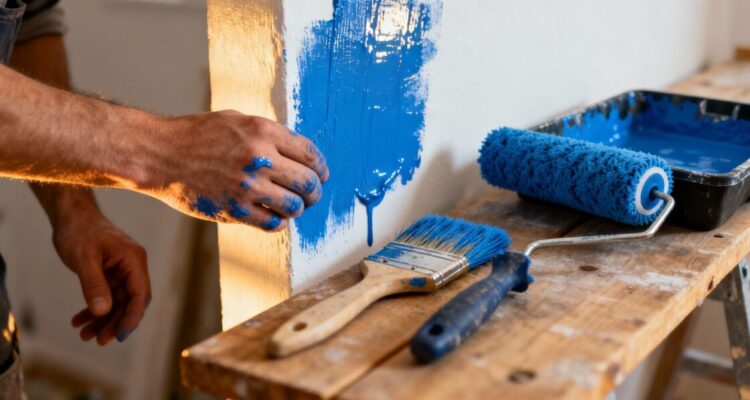
When we plan a painting project, we often focus on the color we want or how it will change a room. But what about the money? Understanding the actual painting project costs can be tricky. There are a lot of things that add up, from the paint itself to the people doing the work. We’ve put together some thoughts on what goes into those costs, so you can get a clearer picture before you start.
When we think about painting our homes or businesses, the final price tag can sometimes be a surprise. It’s not just about the paint itself; a lot goes into determining how much a painting project will cost us. We’ve found that two main areas really shape the overall expense: the people doing the work and the stuff they use.
This is often the biggest chunk of the budget. Think about it – hiring professionals means paying for their time, their skill, and their tools. The more complex the job, or the more detailed the work, the longer it will take, and that means higher labor costs. We also need to consider if we’re talking about a small accent wall or an entire house. The sheer scale of the project directly impacts how many hours our painters will be on the job.
Here’s a general breakdown of what influences labor costs:
We’ve learned that getting detailed quotes from a few different painting companies is a smart move. It helps us compare not just the price, but also what’s included in their estimate.
The type of paint and other materials we choose plays a significant role. It’s not just about picking a color; the quality and finish of the paint can really change the price. Higher-end paints might cost more upfront, but they often cover better, last longer, and are easier to clean, which can save us money in the long run.
Consider these material factors:
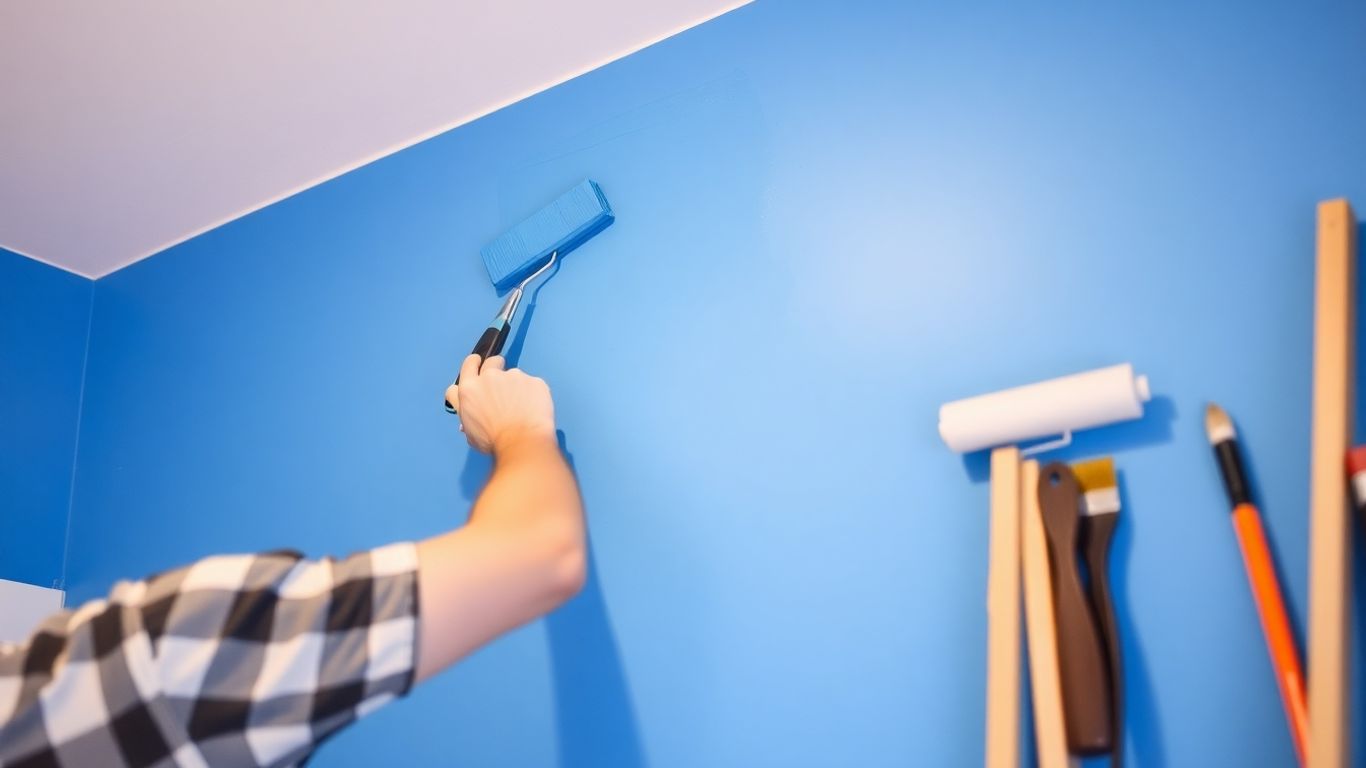
Figuring out the total cost of a painting job can feel a bit tricky, but we can break it down. It’s not just about the paint cans you see at the store. We need to look at what goes into getting the walls ready and how big the whole project really is. These two things, surface preparation and the overall scope, really shape the final price tag.
Before any paint even touches the walls, a lot of work often needs to happen. Think of it like getting a canvas ready for an artist. If the walls are in rough shape, the cost goes up. This prep work can include things like:
The more time and effort spent on proper preparation, the better the final paint job will look and last. Skipping these steps might save money upfront, but it often leads to problems down the road, like paint peeling or an uneven finish. We always recommend taking the time for good prep.
Beyond just the walls, the size and difficulty of the job play a big part in the estimate. A simple room with straight walls is one thing, but a house with lots of trim, high ceilings, or intricate architectural details is another.
Here’s what we consider when looking at the scope:
The complexity isn’t just about how many rooms. It’s about the details within those rooms. Think about a room with a lot of windows and doors versus a plain box. The windows and doors need careful cutting in and often a different finish, which adds time. We have to account for all these little things when we’re putting together an estimate.
We try to be as clear as possible about what’s included. When we give you a quote, we’ll break down the costs so you know exactly what you’re paying for, from the prep work to the final coat. It helps us both make sure the project goes smoothly and the results are what we expect.
So, we’ve looked at what goes into the cost of painting. It’s more than just the paint itself, right? There’s the prep work, the labor, and sometimes those little extras that pop up. We hope this helps you get a clearer picture when you’re planning your next project. Thinking about the details beforehand can save you surprises down the line. It’s good to have a solid idea of what you’re getting into, cost-wise, so you can budget properly and get the results you want without too much stress.
Several things can change how much we charge for painting. The biggest factors are usually how much work is involved and the quality of the paint and supplies we use. For example, if a room needs a lot of patching or sanding before we can even start painting, that takes more time and effort, which adds to the cost. Also, choosing premium paints, which last longer and look better, will naturally cost more than basic options. We always try to give you a clear breakdown so you know exactly what you’re paying for.
Surface preparation is super important and plays a big role in the final price. We need to make sure walls are clean, smooth, and ready for paint. This might mean washing off dirt, filling in holes with putty, or sanding down rough spots. Skipping these steps can lead to a poor paint job that peels or looks uneven later on. So, while it might seem like an extra step, proper prep is key to a lasting finish and is factored into our estimates to ensure we do the job right the first time.
We can certainly help you get a good estimate for your painting project. We look at the size of the area you want painted, how difficult it is to access, and the specific type of paint and finishes you’re interested in. We’ll walk through the project with you, discuss your needs, and then provide a detailed quote. Our goal is to be upfront about all the costs involved, from the paint itself to the labor needed to complete the job beautifully and efficiently.

Leave a Comment