Licensed, Bonded & Insured
Palm Beach U-21244
Broward 09-P-15607-R


Choosing the right paint for busy parts of our homes can be tricky. We want something that looks good, of course, but it also needs to stand up to daily life. Think about hallways, kitchens, or kids’ rooms – these areas see a lot of action. We’ll walk through how to pick the best paint finishes for these high traffic area paint finishes so your walls stay looking fresh.
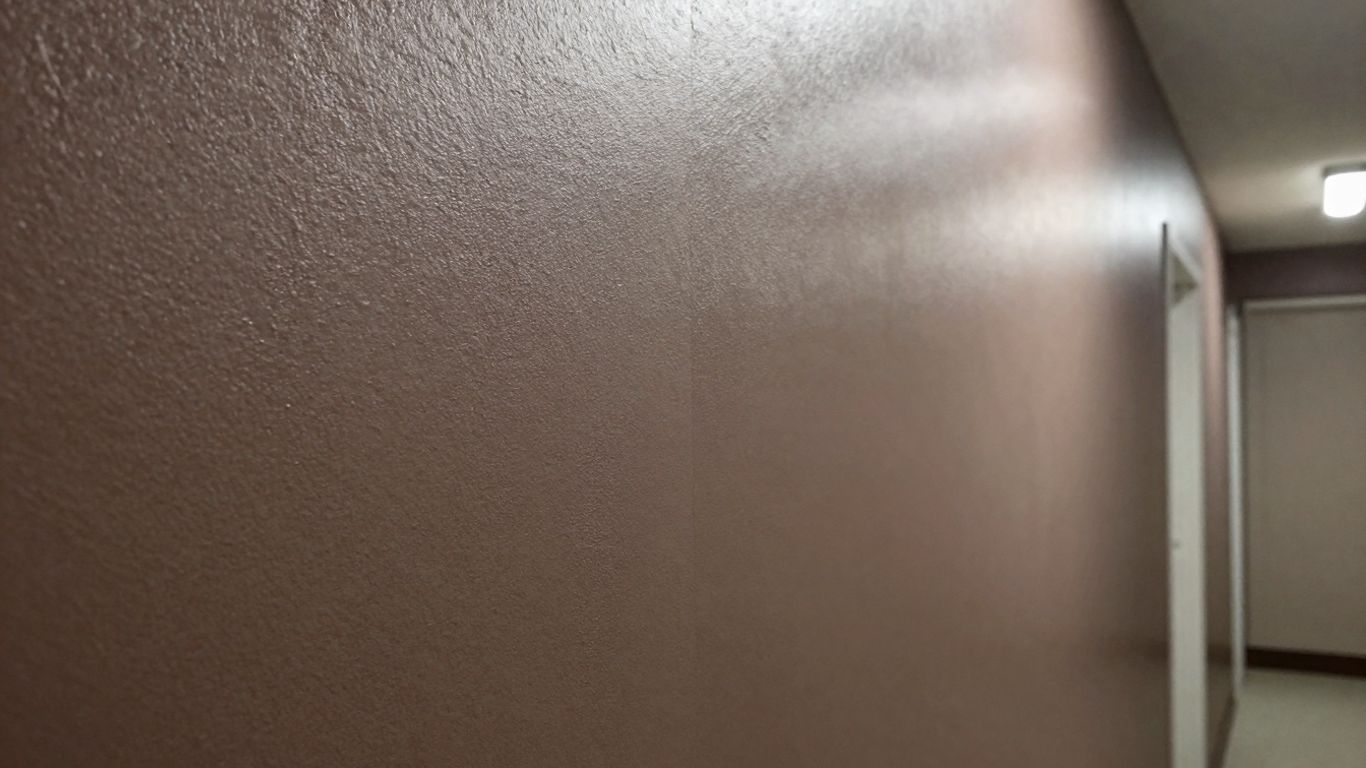
When we’re picking paint for places that get a lot of use, like hallways, kids’ rooms, or entryways, we need to think about how well it’ll hold up. It’s not just about the color looking good right now; it’s about it staying good. We’ve all seen paint that scuffs easily or gets dingy way too fast. That’s where understanding the finish comes in.
The sheen, or how shiny the paint is, plays a big part in how easy it is to clean. Generally, the shinier the paint, the more durable and washable it is. This is because glossier finishes have a tighter molecular structure, making them less porous. This means dirt and grime have a harder time sticking to the surface, and when they do, they can usually be wiped away with a damp cloth without damaging the paint.
Beyond sheen, the actual ingredients in the paint matter a lot. We’re talking about the binder, pigments, and additives. Higher quality paints often use better binders, which are the components that hold everything together and form the paint film. A strong binder means the paint is more flexible and less likely to crack or chip over time, even when it’s scrubbed or bumped.
We also need to consider if we’re using a latex (water-based) or oil-based paint. For most interior walls these days, high-quality latex paints are formulated to be very tough and flexible. They dry faster and clean up with water, which is a big plus. Oil-based paints used to be the go-to for durability, especially on trim, but modern latex formulas have really caught up, and often surpass them in terms of resistance to yellowing and cracking.
When selecting paint for busy areas, think of it like choosing a good pair of shoes for a long hike. You want something that can handle the wear and tear, is easy to maintain, and will look good for a long time, not just for the first few miles.
So, when we’re looking at paint cans, we should check the labels for terms like "scrubbable," "washable," or "stain-resistant." These often indicate a paint that’s been specifically designed with durability in mind for those high-traffic zones in our homes.
Now that we’ve talked about what makes paint tough, let’s get down to picking the actual finish for those spots in your home that see a lot of action. Think hallways, kids’ rooms, kitchens, and entryways. These areas get bumped, scuffed, and generally lived in, so the paint needs to hold up.
When we’re talking about high-traffic zones, satin and semi-gloss finishes are usually our go-to options. Why? It really comes down to their sheen. A higher sheen means a tighter molecular structure in the paint. This makes the surface smoother and less porous, which translates directly to better washability and resistance to scuffs and marks.
We often recommend these for:
Matte finishes, also known as flat paints, have their place, but usually not in the busiest parts of your home. They have a low sheen, which gives walls a soft, velvety look and is excellent at hiding imperfections. However, that very quality makes them less durable.
The porous nature of matte paint means it absorbs stains more readily and is harder to clean without damaging the finish. Scrubbing too hard can actually burnish the paint, creating shiny spots where you’ve cleaned.
While we might use a matte finish in a low-traffic bedroom or a formal living room where it won’t see much wear and tear, we’d steer clear of it for:
Ultimately, for high-traffic areas, prioritizing durability and ease of cleaning is key, and that often means opting for a finish with a bit more sheen.
So, we’ve gone over the different paint finishes and why they matter, especially for places where people walk around a lot. Picking the right one isn’t just about how it looks, but also about how well it holds up. We looked at how glossier paints are tougher and easier to clean, which is a big deal for busy spots like hallways or kitchens. On the other hand, flatter finishes can hide small bumps and marks better, but they might need more care. Think about how you use the space and what you need the paint to do. By considering these points, we can make a choice that looks good and lasts, saving us time and hassle down the road. It’s about making smart choices for our homes.
When we’re choosing paint for areas that get a lot of use, like hallways or kids’ rooms, the most important thing is how tough it is. We want a paint that can handle being wiped down often without losing its color or looking worn out. Think about how many times a door handle gets touched or a wall gets bumped – we need paint that stands up to all that action.
Generally, yes. Paints with a bit more shine, like satin or semi-gloss, are usually easier to clean. This is because their smoother surface doesn’t let dirt and smudges sink in as much. So, when we need to wipe away fingerprints or scuff marks, these finishes make it a breeze. A matte finish, while nice looking, can be trickier to clean without leaving marks.
While we usually suggest avoiding matte paint in really busy spots because it’s harder to clean, there are ways to make it work. Some newer matte paints are made to be more scrubbable. If we absolutely love the look of matte, we might choose a high-quality, washable matte paint and just be extra careful with cleaning. However, for the easiest upkeep, satin or semi-gloss are still our top picks.

Leave a Comment