Licensed, Bonded & Insured
Palm Beach U-21244
Broward 09-P-15607-R



Winter is a great time to tackle indoor projects, and when it comes to painting, choosing the right materials makes a big difference. We’ve been looking into paints that are better for our homes and for us. This means thinking about what goes into the paint and how it affects the air we breathe. Let’s explore how we can make our indoor painting projects healthier.
When we think about winter projects, painting often comes to mind. It’s a great way to refresh a space while stuck indoors. But have you ever noticed that lingering smell after painting? That’s often due to Volatile Organic Compounds, or VOCs. We need to talk about what these are and why they matter for the air we breathe inside our homes, especially during colder months when windows are shut tight.
So, what exactly are VOCs? They are chemicals that can easily turn into gases or vapors at room temperature. Many common household products, including paints, varnishes, cleaning supplies, and even some furniture, release these compounds. When we paint with conventional paints, these VOCs are released into the air. This can lead to a variety of health issues, from headaches and dizziness to more serious long-term respiratory problems.
Think about it: during winter, we spend a lot more time inside. If the air quality is compromised by VOCs, we’re breathing them in constantly. This is particularly concerning for children, the elderly, and individuals with pre-existing respiratory conditions. We want our homes to be safe havens, not sources of indoor pollution.
Here are some common sources of VOCs in our homes:
Choosing paints with low or zero VOCs, often called eco-friendly or green paints, makes a big difference. The primary benefit is improved indoor air quality. By reducing the number of VOCs released, we create a healthier environment for everyone in the household. This means less chance of experiencing those immediate symptoms like headaches or nausea, and it contributes to better long-term health.
Beyond personal health, opting for low VOC paints is also better for the environment. The manufacturing process for these paints often has a smaller environmental footprint, and they contribute less to outdoor air pollution once they are eventually released or disposed of. It’s a win-win situation: good for us and good for the planet.
When we select low VOC paints, we’re not just choosing a color for our walls. We’re making a conscious decision to prioritize the well-being of our families and the health of our living spaces. It’s a simple change that has a significant positive impact, especially when we’re spending more time indoors during the winter months.
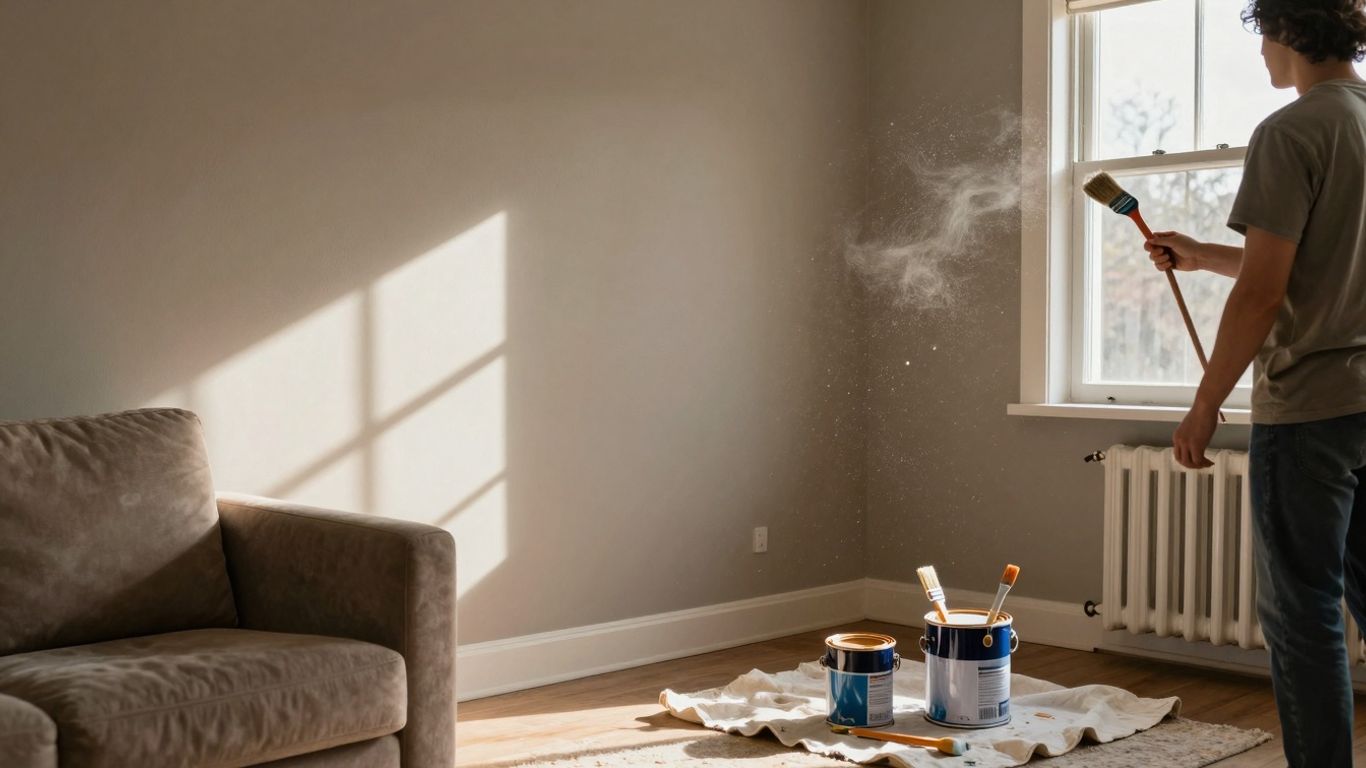
When we’re looking to paint indoors during the colder months, picking the right paint is key. We want something that’s better for our air quality, and thankfully, low VOC options are plentiful. But how do we actually know what we’re buying? It can feel a bit like a puzzle, trying to sort through all the different labels and claims. The most straightforward way to identify a truly low VOC paint is to look for specific certifications or clear statements on the can.
Here’s what we usually check for:
It’s not just about the VOCs, though. We also need to think about the type of paint and what it’s best used for. For instance, a bathroom needs a different kind of finish than a living room.
Once we’ve got a handle on the VOCs, the next step is figuring out the finish. This is where we balance how the paint will look with how well it holds up, especially in high-traffic areas or rooms that get a lot of moisture. Winter projects often mean we’re stuck inside more, so we want finishes that are easy to clean and maintain.
Here’s a quick rundown of common finishes and where they work best:
When we’re painting indoors, especially during winter when ventilation might be limited, choosing low VOC paint is a smart move for our health. It means we can get our projects done without worrying as much about lingering fumes and poor air quality. We just need to pay attention to the labels and pick the finish that suits the room’s use.
So, before we grab that can, we take a moment to read the label, check for certifications, and think about the room. It makes a big difference in the long run for both the look of our home and the air we breathe.
So, we’ve talked about why low VOC paints are a good idea, especially when we’re stuck inside more during the winter. It’s not just about making our homes look nice; it’s about breathing easier too. Picking the right paint means we can get those projects done without worrying too much about fumes lingering. We can tackle that accent wall or refresh the living room, knowing we’re making a healthier choice for everyone under our roof. It really does make a difference, and it’s simpler than you might think to find these better options. Let’s make our indoor spaces feel fresh and clean this season.
VOCs stand for Volatile Organic Compounds. Think of them as tiny particles that can escape into the air from many products, including paints. When we paint inside, especially during colder months when windows are often closed, these VOCs can build up and affect the air we breathe. We want to choose paints that release fewer of these compounds to keep our homes healthier.
It’s important to read the paint can carefully. Look for labels that specifically state ‘Low VOC’ or ‘Zero VOC.’ Sometimes, there might be a list of ingredients, but focusing on the ‘VOC’ content is the easiest way. We also recommend checking the manufacturer’s website for more details if you’re unsure. Reputable brands are usually upfront about their product’s environmental impact.
In the past, some people thought low VOC paints might not perform as well, but that’s largely changed. Today, many low VOC options offer excellent coverage, durability, and a beautiful finish. We find they can be just as effective, if not better, for our projects. Plus, the benefit of cleaner indoor air is a huge advantage, especially for winter projects when ventilation is limited.

Leave a Comment