Licensed, Bonded & Insured
Palm Beach U-21244
Broward 09-P-15607-R


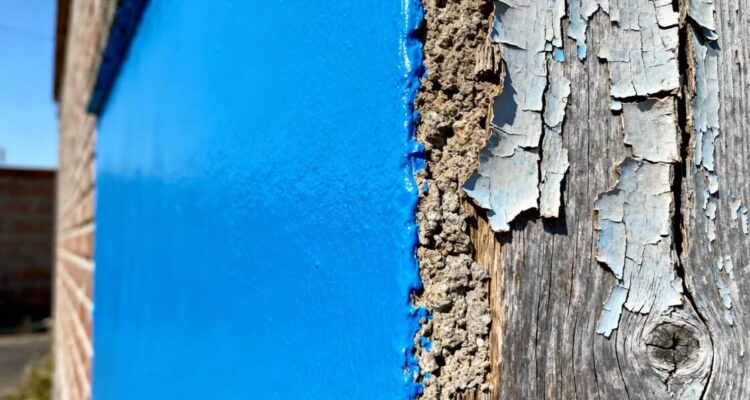
As the colder months approach, we often think about preparing our homes for the chill. But what about the paint on our exteriors? Proper paint application is a big deal, especially when we want it to last through winter. We’re going to look at how we apply paint matters for winter paint protection. It’s not just about making things look good; it’s about making them tough.
Before we even think about slapping paint on in colder weather, we need to get the surface ready. It’s like preparing a foundation for a house; skip this part, and you’re asking for trouble down the line. For winter durability, this step is even more important because the paint has less time and less forgiving conditions to bond properly.
We can’t stress this enough: a clean surface is the first step to a paint job that lasts through the winter. Dirt, grease, oil, and old flaking paint are enemies of good adhesion. If we paint over these contaminants, the new paint layer won’t stick well. It might look okay at first, but come the first freeze-thaw cycle, we’ll see peeling and bubbling.
We often see people rushing this part, thinking a quick wipe-down is enough. But winter conditions are harsh. They don’t forgive shortcuts. A little extra time spent cleaning now saves a lot of headaches later when the paint starts to fail.
Once the surface is clean and dry, we move on to priming. Primer acts as a bridge between the surface and the topcoat. It helps the paint stick better and can also seal the surface, preventing moisture from getting in. For winter painting, choosing the right primer and applying it correctly is key.
| Primer Type | Recommended Application Temp (°F) | Drying Time (Hours) |
|---|---|---|
| Alkyd Enamel | 40-90 | 6-8 |
| Latex | 50-85 | 2-4 |
| Epoxy | 40-80 | 8-12 |
We need to be mindful that these are general guidelines. Always check the specific product’s data sheet. If the temperature is at the lower end of the recommended range, drying times will likely be longer.
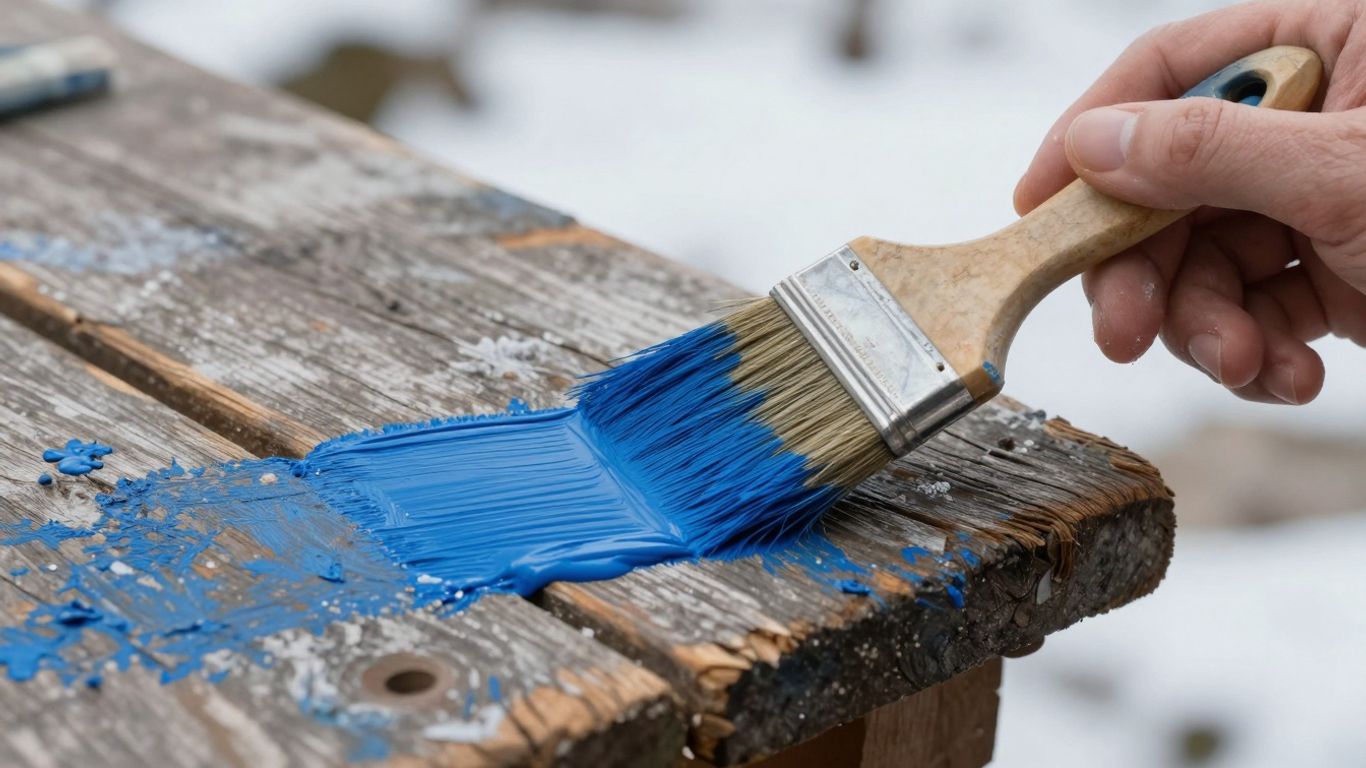
Applying paint correctly is a big deal, especially when you’re thinking about how it’ll hold up when the cold weather hits. We’ve found that paying attention to a few key things during application makes a real difference in how long the paint lasts and how well it protects the surface.
We all know paint doesn’t like extreme temperatures, but the specifics matter. When it’s too cold, paint can become thick and hard to spread evenly. This can lead to poor adhesion, meaning it might peel or chip off much sooner than we’d like. On the flip side, if it’s too hot, the paint can dry too quickly, creating brush marks or an uneven finish that also compromises protection.
Humidity plays a role too. High humidity can slow down the drying process, which might seem good, but it can also trap moisture within the paint layers. This trapped moisture can lead to problems like blistering or mold growth down the line, especially when temperatures fluctuate.
Here’s a quick look at ideal conditions we aim for:
We’ve learned that checking the weather forecast and the paint manufacturer’s specific recommendations is a must. Ignoring these environmental factors is a common mistake that leads to premature paint failure.
How we build up the paint layers is just as important as the initial application. Think of it like building a good defense; you need multiple layers working together.
We’ve found that applying thinner coats more frequently is often better than trying to get it all done in one thick application. This allows each layer to cure properly, creating a stronger, more cohesive finish that’s ready to face whatever winter throws at it.
We always allow adequate drying time between coats. Rushing this process can trap solvents or moisture, weakening the entire paint system. Patience here really pays off in the long run.
So, we’ve gone over how important it is to get your paint job right, especially when the cold weather is coming. It’s not just about how things look, though that matters too. A good paint job, done the right way, really helps protect your stuff from ice, snow, and all that other winter gunk. We’ve seen that taking the time to prepare surfaces and apply paint correctly makes a big difference down the road. It means less worry about chips and cracks when the temperature drops. We hope this helps you think about your next painting project with winter in mind. A little extra effort now can save a lot of trouble later.
We must make sure surfaces are spotless before we paint. Any dirt, oil, or grease left behind can stop the paint from sticking well. This means the paint might peel or chip when the cold weather hits, leaving our projects unprotected.
When it’s cold or damp, paint doesn’t dry the same way. Too cold, and it might not set properly, leading to a weak finish. Too humid, and moisture can get trapped under the paint. We need to pay close attention to the weather forecast to pick the best times to paint for a strong, lasting coat.
Applying paint in thin, even layers is key. We let each coat dry completely before adding the next. This builds up a strong shield that can handle the harshness of winter, like snow, ice, and freezing temperatures, much better than a single thick coat.

Leave a Comment