Licensed, Bonded & Insured
Palm Beach U-21244
Broward 09-P-15607-R



Spring is a fantastic time to refresh our homes, and for many of us, that means a new coat of paint. If you’re part of a homeowners association, however, the process might need a little extra thought. We want our homes to look great, but we also need to stick to the rules. This guide will help us get our hoa color compliance painting submissions right the first time.
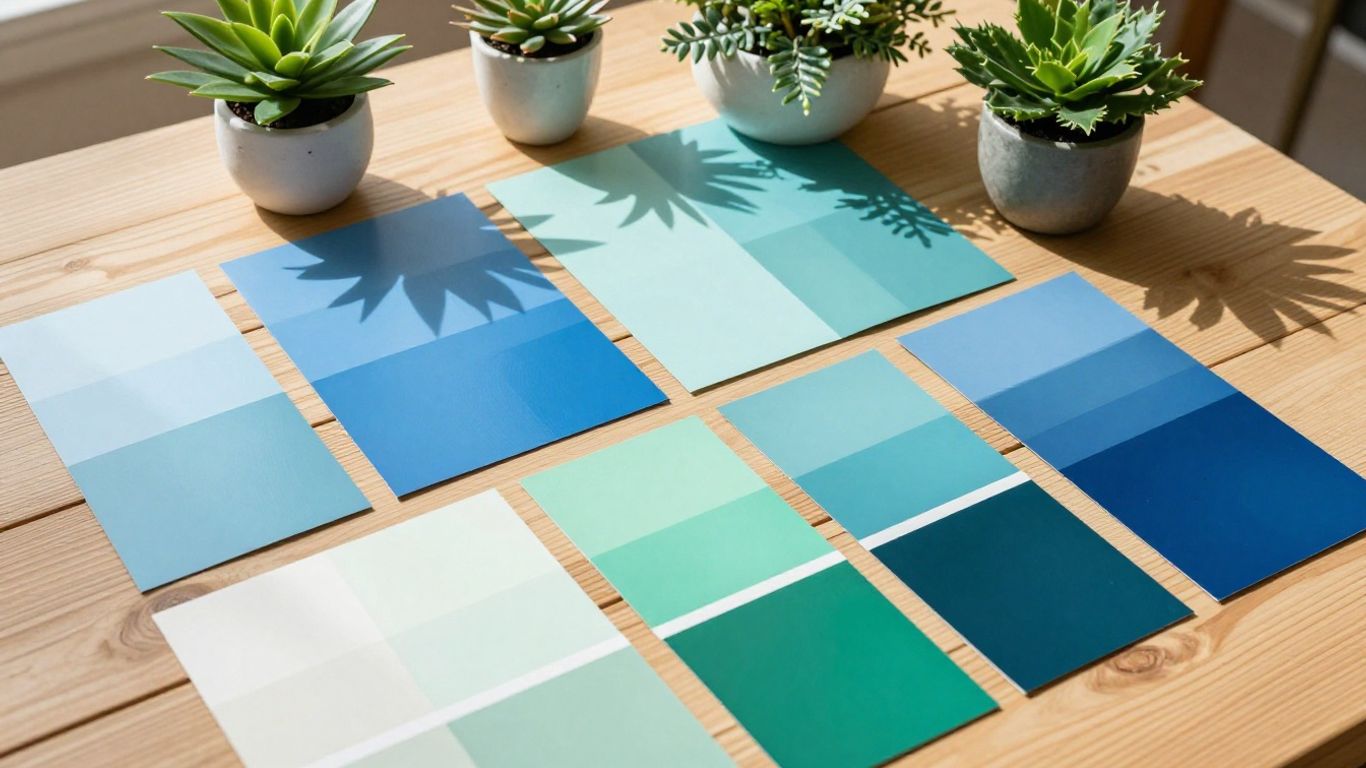
Getting a fresh coat of paint on our homes is always exciting, but HOAs often make this a different sort of challenge. Following the HOA’s color rules is the first thing we need to sort out before touching a paintbrush. These guidelines exist, after all, to help homes in our neighborhood look good together and hold the community’s value. We’ve learned that finding our way through the HOA color process is a bit of a balancing act—let’s break down what goes into it.
First, we always want to track down the HOA’s approved color list. Sometimes this comes in a packet we got when we bought our place, but more often than not, it’s buried somewhere on the HOA’s website or needs a request to the office. If you’re not sure what’s current, always ask—a quick email might save you hours later. Usually, we find:
| Color Category | Typical Examples | Restrictions |
|---|---|---|
| Main Body | Light beige, gray | No neons or dark black |
| Accent/Trim | White, taupe | No bright reds or blues |
| Door Colors | Navy, deep green | Avoid flashy yellows |
We’ve seen color guides change every few years, so keeping up with the current list is a must. Picking an out-of-date color might mean going through the approval process all over again.
Now, the color isn’t the only part HOAs care about. They often set out rules about how and where specific colors can be used. Let’s say we want a bold front door—if the guidelines only allow dark greens or blues for doors, we’re out of luck with a bright red. The same goes for painting fences or garages.
Here’s what we typically check:
Often, painting something without the green light leads to warnings, fines, or even having to repaint. That’s money and time nobody wants to lose. Getting these rules clear up front just makes sense.
If we’re ever stuck or can’t find answers, reaching out to a neighbor or the HOA is better than guessing. They might even have tips for getting our colors approved faster or know of recent updates. Frankly, a little homework at the start avoids a whole lot of stress later.
Spring is here, so we might find ourselves itching to give the house a fresh look. Painting the exterior is a commitment—not just in terms of time and budget, but also because we need to keep the neighborhood vibe in mind. Every neighborhood has a look, and we want our house to fit in just right, all while keeping in line with the HOA’s rules.
Picking the right color can actually be a fun process if we approach it step by step.
| Main House Color | Trim Color | Accent Color |
|---|---|---|
| Light Gray | White | Slate Blue |
| Taupe | Cream | Deep Green |
| Soft Yellow | White | Navy |
A well-chosen palette can make the place look inviting while keeping things simple.
Even a small change, like painting the shutters or the front door, can make the whole house look fresher without going overboard.
So we’ve picked the colors we love, but the next step is just as important—checking them against the HOA rules before picking up a brush.
Remember, the goal isn’t just to please ourselves, but also to keep the peace with our neighbors and avoid having to repaint too soon. That’s a hassle no one wants in the middle of spring.
Getting our spring color changes approved takes a bit of organization, but it doesn’t have to be stressful. We just need to stay on top of the details and present everything just the way our HOA likes it. The process usually runs more smoothly when we collect the correct paperwork and know what the review board expects.
Before sending in any color requests, let’s make sure we’ve pulled together all the right information:
Having this information neat and organized helps the review board process our request without delays.
We can avoid frustration and speed up approval by following a step-by-step approach:
| Step | What To Include |
|---|---|
| Application Form | Typed, fully completed |
| Color Swatches | All colors with manufacturer details |
| Home Photos | Clear views from several angles |
| Paint Locations | Written descriptions (e.g. trim, shutters) |
Submitting everything the first time—clearly labeled and organized—means we wait less and hear back faster from the HOA. It’s always easier to address questions now rather than after projects have started.
We hope this guide has made the process of picking and submitting your exterior paint colors to the HOA a bit easier. It can feel like a lot, but by taking your time and following the guidelines, you can get your home looking great for spring. Remember to check your HOA’s specific rules and get those applications in early. Happy painting!
If we don’t follow the HOA’s color rules, we might have to repaint our house. This could mean spending more money and time. We want to make sure our chosen colors are okay with the HOA before we start painting to avoid these problems.
We can usually find the list of allowed colors in our HOA’s rulebook or on their website. Sometimes, we might need to ask the HOA board directly if we can’t find the information. It’s important to check this list carefully before picking any paint.
If we really want a color that isn’t on the approved list, we can try asking the HOA for special permission. We’ll need to submit a request, maybe with a sample of the color. They might say yes, but we should be prepared for them to say no and have a backup color in mind.

Leave a Comment