Licensed, Bonded & Insured
Palm Beach U-21244
Broward 09-P-15607-R


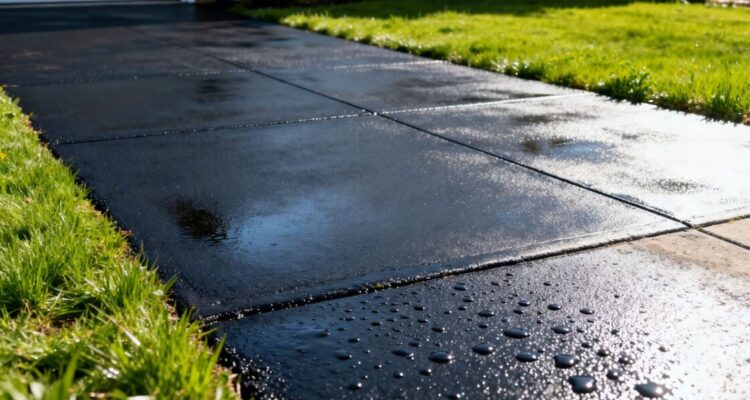
As the weather warms up, we’re all thinking about getting our homes ready for the brighter days ahead. One area that often gets overlooked is the driveway. It takes a beating throughout the year, from harsh winters to summer heat. This spring, we’re focusing on giving our driveways a much-needed refresh with driveway sealing and painting. It’s a great way to protect the surface and make it look good again. We’ll walk through how to get it done right.
Before we get to the fun part of applying a fresh coat of sealant or paint, we need to make sure our driveway is ready. It’s a bit like prepping a canvas before you paint a masterpiece, you know? A clean, solid surface is key for anything to stick properly and last.
First things first, we need to take a good look at the driveway itself. Is it concrete, asphalt, or something else? Each material has its own quirks. We’re looking for any cracks, holes, or areas where the surface is crumbling. Small cracks can often be filled, but if you’ve got big chunks missing or widespread damage, it might be a sign that sealing or painting isn’t the best fix right now. You might need to do some repairs first.
If the damage is extensive, like large cracks or significant crumbling, it’s often better to address those structural issues before you even think about sealing or painting. A fresh coat won’t fix underlying problems and might just peel off later.
Once we know what we’re dealing with, it’s time to get it clean. This is probably the most important step for making sure our new coating sticks. We want a surface that’s free of dirt, dust, grease, and any loose debris. A pressure washer is usually our best friend here, but sometimes a stiff broom and some good degreaser will do the trick.
Here’s a general plan:
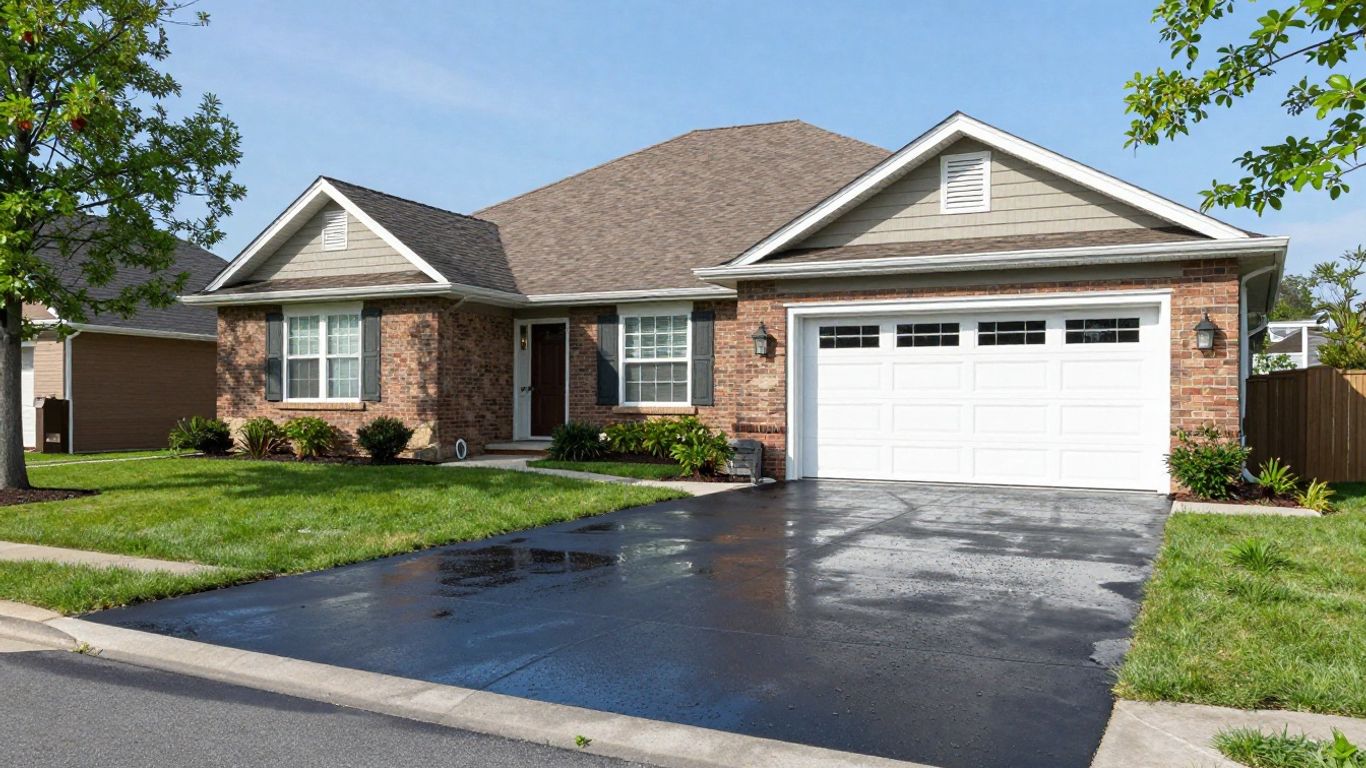
When we pick a sealant or paint for our driveway, it pays off to know what we’re working with. Concrete and asphalt driveways don’t use the same stuff. If we put the wrong product on, it could peel or wash away when spring storms roll through. Sometimes it helps to look at a quick table to compare the best use for each:
| Driveway Type | Best Sealant | Best Paint |
|---|---|---|
| Asphalt | Acrylic-based | Asphalt driveway paint |
| Concrete | Epoxy or acrylic | Concrete driveway paint |
When in doubt, we read the label and check for weather-resistance. It’s so tempting to go for the cheapest pick, but mid-range products usually outlast bargain brands, especially when sun and rain take turns beating down all spring.
Prepping is half the job, but applying the sealant or paint right makes all the difference. Here’s a step-by-step to keep things straightforward:
Sometimes, the hardest part is waiting for a dry, sunny day before we get started. Rushing the job when rain is coming almost guarantees do-overs. Planning around spring weather gets tedious, but a good finish depends on it.
A solid sealing and painting process means less hassle later—fewer cracks, fewer stains, and more time enjoying a clean driveway.
So, we’ve gone over how to get your driveway ready for whatever spring throws at it, from sudden downpours to those bright, sunny days. Taking the time to seal and paint now means you won’t have to worry about cracks or faded spots later. It’s a bit of work, sure, but seeing a clean, protected driveway makes it all worthwhile. We think you’ll be happy with the results when you pull up to your house this season. Give it a shot and enjoy the difference.
We recommend sealing or painting the driveway every two to three years. This helps protect it from rain, sun, and general wear. If we notice cracks or fading, it might be time to do it sooner.
No, we should not seal or paint a wet driveway. The surface needs to be completely dry so the sealant or paint sticks well. We should wait for a few sunny days before starting the job.
We should sweep away leaves and dirt first. Then, we can use a hose or pressure washer to remove tough stains. Let the driveway dry fully before moving on to sealing or painting.

Leave a Comment