Licensed, Bonded & Insured
Palm Beach U-21244
Broward 09-P-15607-R



As spring approaches, many of us feel the urge to refresh our living spaces. We want our homes to feel clean and new, especially after a long winter. But if allergies are a concern, the strong smells of traditional paints can be a real problem. That’s where low odor interior paint comes in. We can make our homes smell better and feel healthier with the right choices.
When we talk about interior paints, especially those marketed as "low odor," a key term we often encounter is VOCs. VOC stands for Volatile Organic Compounds. These are chemicals that can be released into the air from many products, including paints, varnishes, and cleaning supplies. They can contribute to indoor air pollution and, for some people, trigger allergy symptoms or respiratory issues. The "odor" we sometimes notice from paint is often the smell of these VOCs off-gassing. The less VOCs a paint contains, the less it will smell and the better it generally is for indoor air quality.
Different types of paints have varying levels of VOCs. Traditional solvent-based paints typically have higher VOC content than water-based (latex or acrylic) paints. However, even within water-based paints, there’s a range. Manufacturers are increasingly developing formulas with very low or zero VOCs, which is great news for anyone sensitive to smells or chemicals. When you’re shopping, look for labels that specifically state "Low VOC" or "Zero VOC." This isn’t just a marketing term; it’s a quantifiable measure that can make a real difference in your home environment, especially during and after painting.
For those of us who deal with allergies or asthma, choosing the right paint is more than just picking a color. It’s about creating a healthier living space. Traditional paints can release VOCs for days or even weeks after application, and these can be significant triggers for sneezing, coughing, headaches, and general discomfort. Low odor or zero VOC paints significantly reduce this risk.
Here are some of the main advantages we’ve found:
We’ve noticed that after using low odor paints, the typical "new paint smell" that used to linger for ages in our homes is practically non-existent. This means we can get back to enjoying our rooms without that stuffy, chemical air.
When selecting a paint, we always check the label for VOC content. It’s a simple step that pays off in comfort and health, especially when we’re aiming for a spring refresh that feels truly fresh and clean.
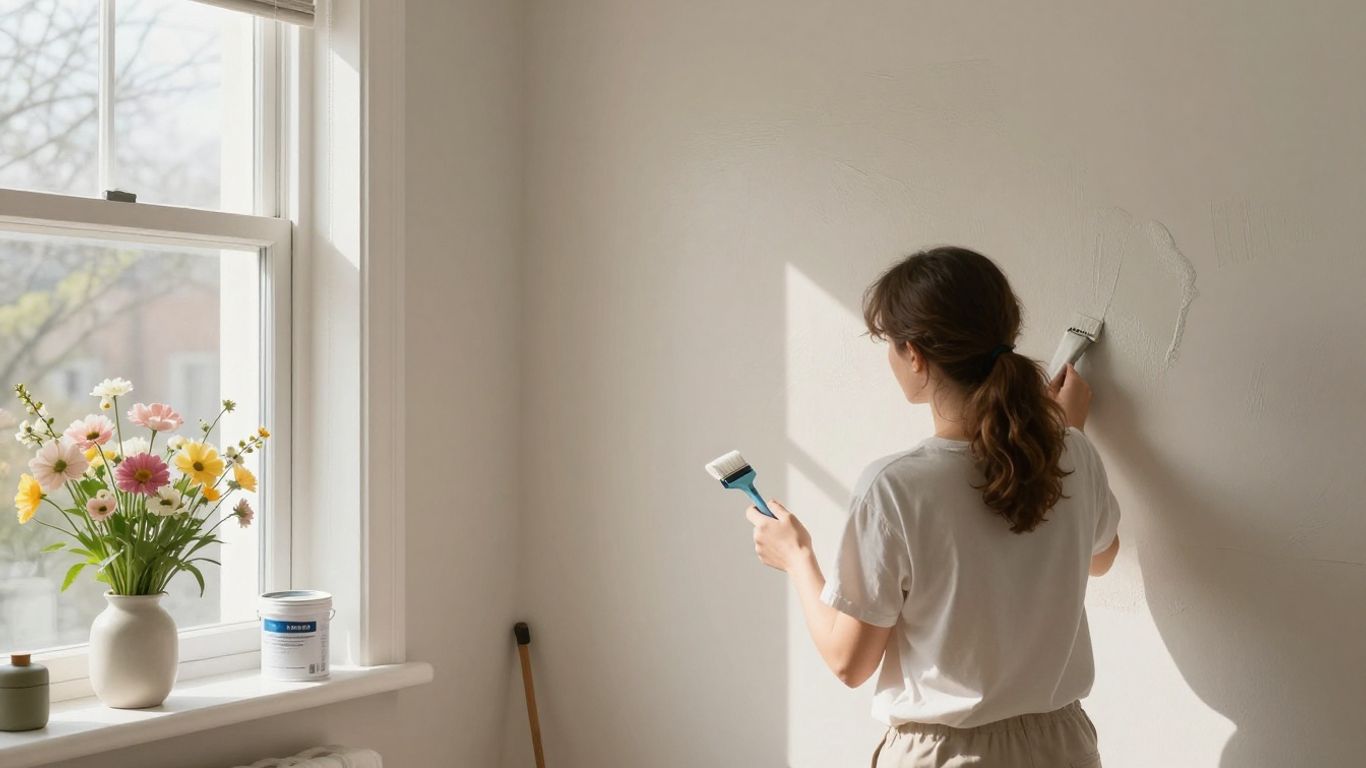
Before we even think about opening a can of paint, we need to get our rooms ready. This step is super important, especially when we’re aiming for a healthier indoor environment. Proper preparation makes the painting itself go smoother and helps the new paint stick well.
Even with low odor paints, good airflow is key. We want to clear out any lingering smells and keep the air fresh while we work. It’s not just about comfort; it helps the paint dry better too.
Getting the walls ready is where the real magic happens for a lasting finish. We’re talking about making sure the surface is clean, smooth, and ready to accept the new paint.
Taking the time to prep your surfaces properly means you won’t have to worry about peeling paint or a patchy finish down the line. It’s a bit of extra work upfront, but it saves headaches later on. We want this refresh to look good and last.
Applying low odor paint is much like using any other interior paint, but we can take a few extra steps to make the process even more pleasant. First, make sure you have all your tools ready. We’re talking about good quality brushes, rollers, a paint tray, painter’s tape, and drop cloths. Stir your paint thoroughly before you start. Sometimes the pigments can settle at the bottom, and you want a consistent color throughout. When you’re cutting in along the edges and corners, use a good angled brush. Load it with paint, but don’t let it drip. Apply steady, even strokes. For larger areas, a roller works best. Load the roller evenly, and apply the paint in a "W" or "M" pattern. This helps spread the paint without leaving too many roller marks. Overlapping your strokes slightly will give you a more uniform look. Don’t press too hard with the roller; let it do the work.
Low odor paints often have similar drying times to conventional paints, but it’s always good to check the can. Usually, you can recoat in about 2 to 4 hours. However, this can change depending on humidity and temperature. It’s better to wait a bit longer if you’re unsure. The paint might feel dry to the touch, but it’s still curing. Curing is the process where the paint hardens completely and reaches its maximum durability. This can take several days, sometimes even a few weeks. During the curing period, be gentle with the walls. Avoid scrubbing them or hanging heavy items that might scuff the surface. We found that opening windows, even for a short while after the initial painting, helps the curing process along nicely, especially if the weather is mild.
Remember that even low odor paints can release some fumes as they cure. While they are much better for air quality, giving your freshly painted room extra ventilation during the first week is a good idea. This helps the paint fully harden and ensures the air stays fresh.
We’ve explored how choosing low-odor paints can make a real difference when refreshing your home, especially if allergies are a concern. It’s about creating a space that feels good to be in, without the harsh smells that can linger. By opting for these types of paints, we can enjoy a cleaner, more comfortable environment. This spring refresh doesn’t have to come with a side of headaches or irritated sinuses. We can breathe easier, literally, knowing we’ve made a healthier choice for our living spaces. So, go ahead and pick those colors; a pleasant and allergy-friendly update is well within reach.
VOCs stand for Volatile Organic Compounds. Think of them as tiny particles that float into the air from many paints, especially when they’re wet and drying. For some people, especially those with allergies or breathing troubles, these particles can cause headaches, itchy eyes, or make it hard to breathe. Low odor paints have much fewer of these compounds, making the air cleaner and safer for everyone in our homes.
Before we start painting, it’s smart to open up the windows and doors to let in plenty of fresh air. This helps clear out any lingering smells or dust. We’ll also want to clean the walls really well, making sure they’re smooth and free of any dirt or old paint flakes. This way, the new paint will stick nicely and look its best.
Even though these paints have very little smell, they still need time to dry and fully set, which we call curing. While you can usually be in the room after a day or two with good airflow, the paint continues to harden over the next few weeks. For the best results and to ensure all those VOCs are gone, we recommend keeping the room well-ventilated for as long as possible.

Leave a Comment