Licensed, Bonded & Insured
Palm Beach U-21244
Broward 09-P-15607-R


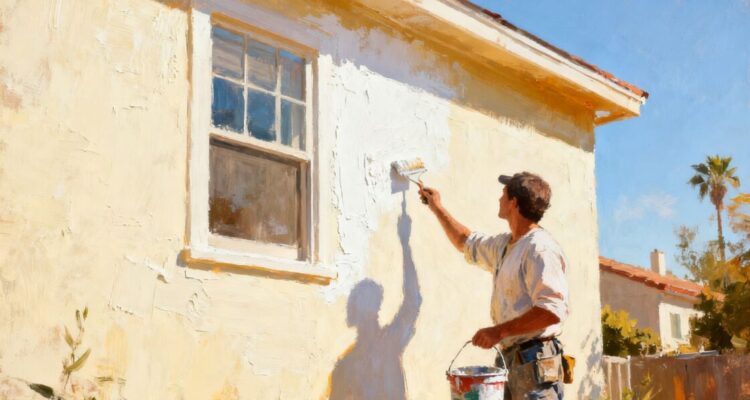
We’re all looking forward to warmer days, but tackling a fresh coat of paint in the middle of a heatwave isn’t ideal. High temperatures can make paint dry too fast, leading to lap marks and a less-than-perfect finish. Planning your summer painting projects carefully can save you a lot of hassle. We’ll look at how to pick the right time and get your home ready, then cover how to paint when it’s hot and keep your new paint looking good.
Getting ready to paint your house when it’s warm out? We’ve got some thoughts on how to make it go smoother. Summer is prime time for exterior work, but the heat can be a real pain if you’re not careful. Picking the right time of day and week can make a big difference. We’ll walk you through how to get your home ready and what to think about before you even crack open a can of paint.
When we think about painting outside, we often just picture a sunny day. But the sun can be too much of a good thing, especially when it comes to paint. High temperatures can make paint dry too fast, leading to problems like lap marks and poor adhesion. We need to be smart about this.
Here’s what we consider:
We’ve learned that trying to paint during the hottest part of the day, say from noon to 3 PM, is usually a mistake. The paint skins over too fast, and you end up with visible brush strokes or roller marks that are hard to fix later. It’s better to work in shorter bursts during cooler parts of the day.
Before we even think about applying paint, there’s a good bit of prep work. This is where a lot of the real effort goes in, and it’s super important for a good finish, especially when the weather is warm.
Our prep checklist usually looks something like this:
Now that we’ve picked the right time and prepped our homes, it’s time to actually get painting. We want to make sure our work holds up, especially when the sun is beating down.
Painting when it’s hot can be tricky. The paint can dry too fast, leading to problems like lap marks or a rough finish. We need to work smart.
We found that painting the north and west sides of the house first, when they get less direct sun, really helped. It gave us a good start before tackling the sunnier spots later in the day.
When the temperature climbs, paint behaves differently. It dries faster, which can make it harder to get a smooth, even coat. We need to be mindful of this and adjust our technique accordingly. Rushing the job will only lead to more work later.
Once the paint is on, we need to protect it. Summer weather can be harsh, with strong sun and sudden storms.
Proper curing is key to a long-lasting finish. It takes more than just drying; the paint needs time to harden fully, and summer heat, while challenging during application, can actually help with the curing process once the paint is on, provided it’s protected from extreme conditions.
So, we’ve talked about why getting your house painted before the really hot weather hits makes sense. It’s not just about looks, though that’s part of it. Working with paint when it’s cooler is just plain easier, and it helps the paint do its job better. We hope this gives you a good idea of when to schedule that job. Taking a little time now to plan can save you a lot of hassle and maybe even some money down the road. We think it’s a smart move for keeping your home looking good and protected.
We should aim to paint in the cooler parts of the day, like early morning or late afternoon, to keep ourselves and the paint from getting too hot. Spring and fall are generally ideal seasons for exterior painting because the temperatures are milder, which is better for the paint’s application and drying. If we must paint in summer, picking a cloudy day or waiting for a cooler spell can make a big difference.
Before we start painting, we need to make sure the surfaces are clean and dry. This means washing off any dirt, mold, or old, peeling paint. We also need to fix any cracks or holes. Gathering all our supplies, like brushes, rollers, paint, and drop cloths, ahead of time will save us trips back and forth, especially when it’s hot outside. Protecting plants and outdoor furniture is also key.
Once we’ve finished painting, we need to let the paint cure properly. This means avoiding touching or leaning things against the walls for the recommended time, usually a few days. Keeping the area well-ventilated helps the paint dry. If we expect rain, we should cover up the painted areas if possible, though this is more practical for smaller projects. For the sun, while we can’t control it, allowing the paint to fully harden will make it more resistant to fading over time.

Leave a Comment