Licensed, Bonded & Insured
Palm Beach U-21244
Broward 09-P-15607-R


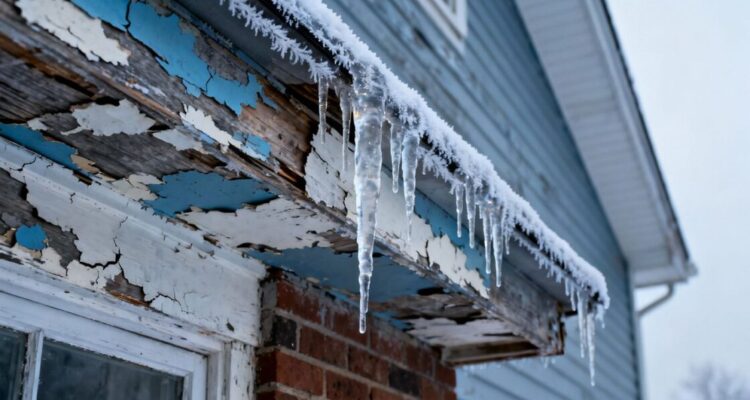
As the colder months approach, we want to make sure our homes look good and stay protected. Winter weather can be tough on exterior paint, leading to problems if we don’t take some steps beforehand. Taking care of your home’s exterior paint now means fewer headaches later. We’ll walk through some simple ways to get your exterior paint maintenance in shape before the snow flies.
Before the first frost hits, we need to give our home’s exterior paint a good once-over. Winter can be tough on paint, and a little preparation now can save us a lot of trouble later. Think of it like getting ready for a long, cold journey – you want to make sure everything is in good shape before you set off.
First things first, let’s walk around the house and really look at the paint. We’re searching for any signs of wear and tear. This means checking for peeling, chipping, or areas where the paint looks faded or chalky. Don’t forget to look at trim, window frames, and doors too, as these areas often take a beating.
If we find any damage, it’s best to fix it now. Small chips or peeling spots can be scraped, sanded, and spot-painted. For larger areas, we might need to do a bit more work, but it’s better than letting a small problem turn into a big one over the winter.
Addressing minor paint issues before winter sets in is a smart move. It prevents water from seeping into the underlying wood or siding, which can lead to rot or structural damage when temperatures drop.
After we’ve dealt with any damage, it’s time for a good cleaning. Dirt, grime, and especially mold or mildew can cling to the paint and make it look dull. More importantly, these organic growths can break down paint over time and even damage the surface underneath.
We should aim to clean the entire house, paying special attention to areas that don’t get much direct sunlight, as these are prime spots for mold and mildew to grow. A simple solution of water and a mild detergent usually does the trick. For tougher spots, a solution with a bit of bleach might be needed, but we should always test it in an inconspicuous area first and rinse thoroughly.
Getting rid of this gunk not only makes the house look better but also helps the paint last longer, giving us a cleaner slate for whatever winter throws our way.
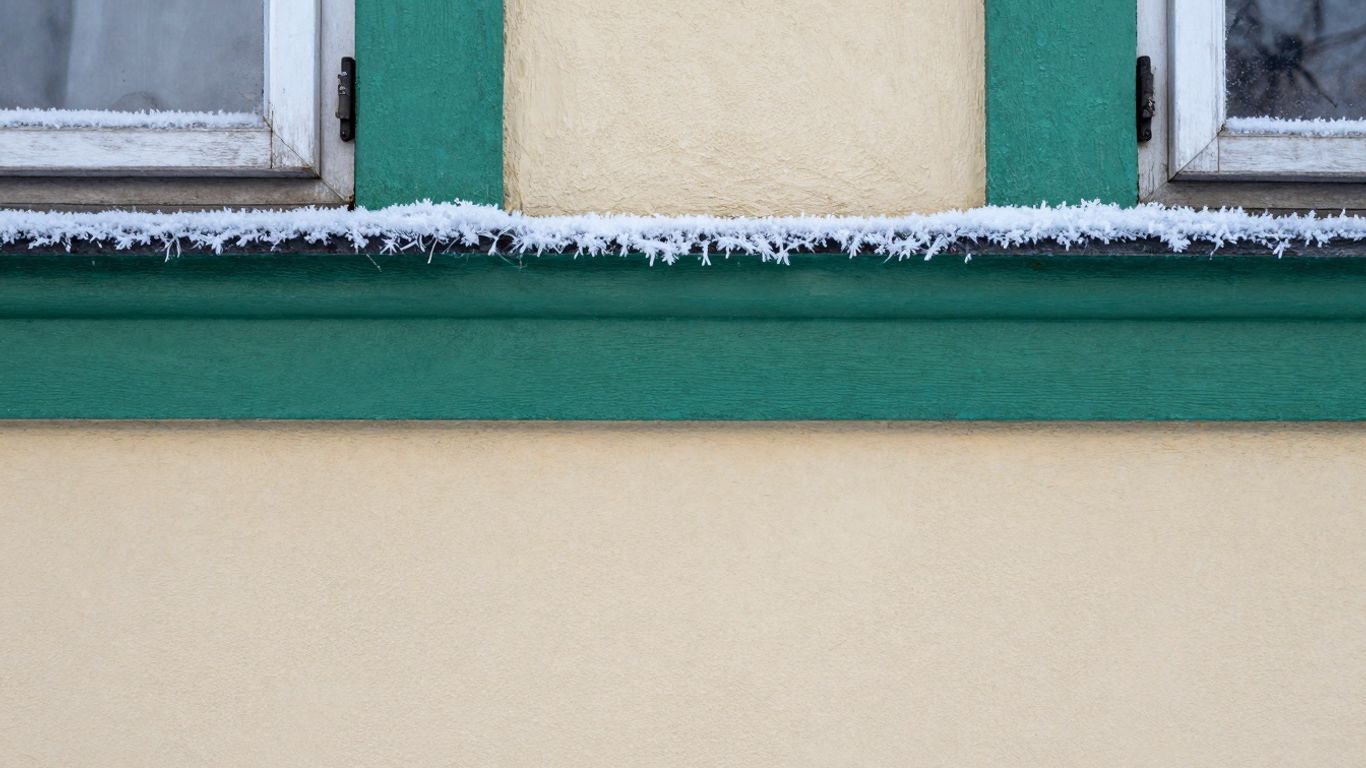
Now that we’ve prepped our home’s exterior, it’s time to think about how to keep that paint looking good through the winter months. We don’t want all that hard work going to waste, right? The cold, wet weather can really do a number on paint if we’re not careful.
This is a big one. Water is the enemy of paint in the winter. When water gets into small cracks or gaps in your siding or trim, it can freeze and expand. Then, when it thaws, it contracts. This freeze-thaw cycle is brutal and can chip away at your paint, or even damage the wood or material underneath. We need to stop that water before it even gets a chance to cause trouble.
Sometimes, just sealing up the gaps isn’t quite enough, especially if our paint is a bit older or we live in an area with really harsh winters. Adding an extra layer of protection can make a big difference.
We want our homes to look good year-round, and a little bit of preventative work before winter really sets in can go a long way. It’s about being proactive and giving our exterior paint the best chance to withstand the cold.
Think of it like getting your car ready for winter – you change the oil, check the tires, maybe even get a special wash. Doing similar things for our house’s exterior paint is just smart maintenance. It saves us money and hassle down the road, and honestly, it just feels good to know we’ve done what we can to protect our investment.
So, we’ve gone over a few ways to help keep our home’s paint looking good through the cold months. It’s not about doing a whole repaint, just some simple checks and fixes. Taking a little time now can save us a lot of trouble later when spring rolls around. We’ll be glad we took these steps when we see how well our paint held up against the frost and snow. Let’s aim to get these done before the worst weather hits.
We should aim to prepare our exterior paint for winter well before the cold weather truly sets in. Usually, late summer or early fall is ideal. This gives us enough time to make any necessary fixes and allows the paint to fully dry and harden before the freezing temperatures and snow arrive.
Our primary focus should be on finding any spots where the paint is peeling, cracking, or bubbling. We also need to look for any signs of mold or mildew, especially in shady or damp areas. Addressing these issues now prevents them from getting worse when moisture freezes and expands during the winter months.
To protect our paint, we should seal up any cracks or holes in the siding or around windows and doors. This stops water from getting in, freezing, and causing damage. For extra defense, we might think about applying a special coating that helps paint resist the harsh effects of winter weather, like extreme cold and wet conditions.

Leave a Comment