Licensed, Bonded & Insured
Palm Beach U-21244
Broward 09-P-15607-R



As the days get shorter and colder, many of us turn our attention to indoor projects. This winter, we’re looking at ways to refresh our living spaces with paint. But not just any paint. We want to talk about eco friendly residential painting options that are good for our homes and the planet. It’s about making smart choices for our interiors, especially when we’re spending more time inside.
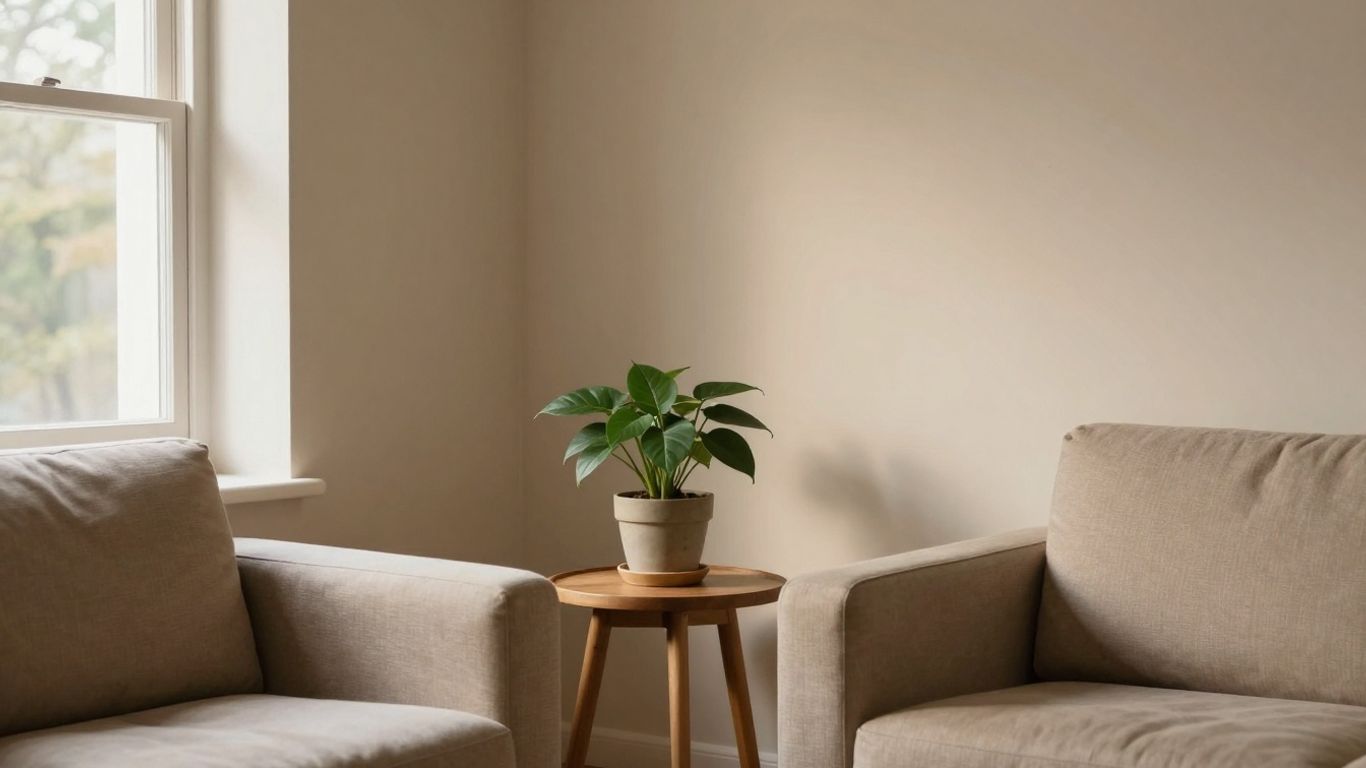
When we think about painting our homes, especially during the colder months when we’re spending more time indoors, the type of paint we select really matters. It’s not just about the color or how it looks on the wall; it’s about what’s in the paint and how it affects our living space and the planet. We’ve been looking into ways to make our homes healthier and more environmentally friendly, and paint is a big part of that.
Volatile Organic Compounds, or VOCs, are chemicals that can be released into the air from many common household products, including paints. These emissions can contribute to indoor air pollution, which is particularly noticeable in winter when windows are kept shut. Choosing paints with low or zero VOCs is a straightforward way to improve the air quality inside our homes.
When you’re at the store, look for labels that clearly state "Low-VOC" or "Zero-VOC." Sometimes, manufacturers will also use terms like "no added VOCs," which is another good indicator.
Beyond just VOC content, we can also consider paints made from more natural ingredients. These options often have a different feel and performance, and they can be a great choice for those looking for something truly different and earth-friendly.
The shift towards more natural paint ingredients isn’t just a trend; it’s a response to a growing awareness of the impact everyday products have on our health and the environment. These paints often require a different application technique, but the results can be beautiful and long-lasting.
When selecting these types of paints, it’s helpful to read reviews and understand their specific properties. Some might be better suited for certain surfaces or require a primer. We found that doing a little research beforehand saved us a lot of guesswork later on.
Painting our homes, especially when the weather outside is less than ideal, can really brighten things up. But we’ve been thinking more about the paints we use. It turns out, choosing eco-friendly options isn’t just a trend; it comes with some pretty good perks, particularly during the colder months when we’re spending more time indoors.
When winter hits, our windows tend to stay shut, trapping air inside. This is where the type of paint we choose really matters. Traditional paints often release Volatile Organic Compounds (VOCs) into the air. These can cause headaches, dizziness, and other health issues. We’ve found that using low-VOC or zero-VOC paints makes a noticeable difference. The air just feels cleaner, and we don’t get that lingering paint smell that can be so unpleasant. It’s a simple change that helps make our homes healthier spaces, especially when ventilation is limited.
We’ve noticed that after painting with eco-friendly options, the usual ‘new paint’ smell that hangs around for weeks is practically non-existent. It makes a big difference when you’re stuck inside.
Beyond our own homes, picking sustainable paints helps the planet. The manufacturing process for these paints often uses fewer harmful chemicals and less energy. Plus, when the paint eventually needs to be disposed of, it’s generally less damaging to the environment. It feels good knowing that the choices we make for our interiors have a positive ripple effect.
It’s about making conscious decisions. We’re not just redecorating; we’re contributing to a healthier planet, one wall at a time. And honestly, that’s a pretty great feeling.
So, as we wrap up our look at painting our homes this winter, we hope we’ve shown that it’s totally doable to pick paints that are good for us and the planet. We’ve seen how many options are out there now, from low-VOC to zero-VOC and even natural paints. Making these choices means we can refresh our living spaces without bringing in a lot of harsh stuff, which feels pretty good, especially when the weather outside isn’t cooperating. It’s a simple way to make our homes healthier and a bit greener, even when it’s cold out. We think it’s worth looking into for your next project.
When we talk about ‘low-VOC’ or ‘zero-VOC’ paints, we’re referring to the amount of Volatile Organic Compounds, or VOCs, they contain. These are chemicals that can be released into the air as the paint dries and can affect the air quality inside our homes. Low-VOC paints have a small amount of these chemicals, while zero-VOC paints have practically none. Choosing these is better for our health and the environment, especially when painting indoors during colder months when windows might be closed more often.
Yes, we find that natural and mineral-based paints are quite effective! These paints often use ingredients like clay, lime, or plant-based binders. They can provide beautiful finishes and are generally much healthier for us to be around because they don’t release those harmful VOCs. While they might require a slightly different application method sometimes, their benefits for indoor air and the planet make them a fantastic alternative for our homes.
Painting in the winter often means keeping our homes sealed up tight to stay warm. This can trap any fumes or chemicals released from paint inside. By selecting eco-friendly paints, like those with low or zero VOCs, we significantly reduce the number of unhealthy airborne particles in our living spaces. This means we can enjoy a freshly painted home without worrying as much about breathing in harsh chemicals, making our indoor environment much cleaner and safer throughout the colder season.

Leave a Comment