Licensed, Bonded & Insured
Palm Beach U-21244
Broward 09-P-15607-R


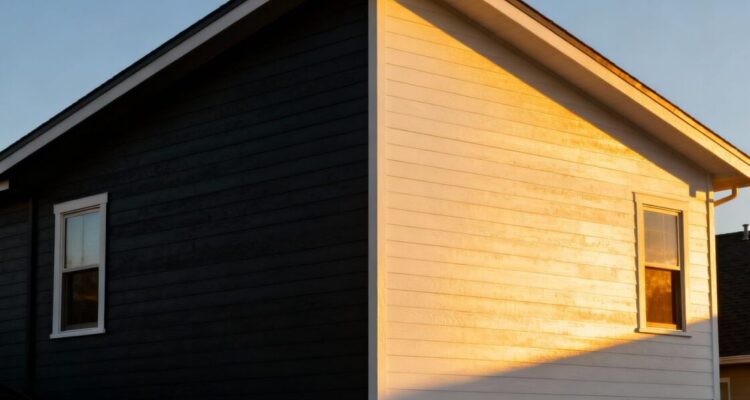
We’ve all picked out paint colors for our homes, right? It’s usually about how it looks, maybe matching the furniture. But we found out that the paint we choose can actually do more than just make a room look nice. It can also play a part in how much energy our homes use. We’re going to talk about how paint choice impacts energy efficiency and what we can do to make smarter choices.
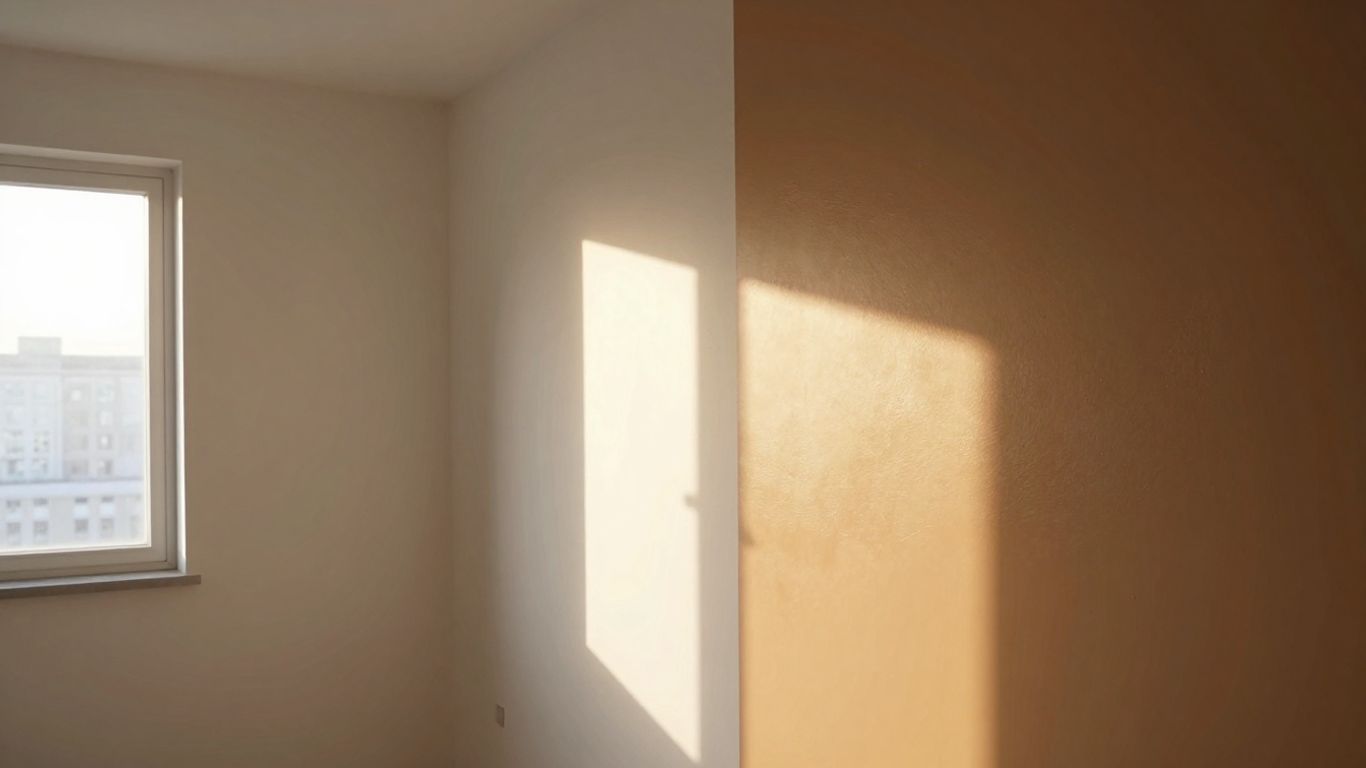
We often think about insulation or new windows when we talk about making our homes more energy efficient. But did you know the paint we choose plays a part too? It might seem small, but the surfaces of our homes, both inside and out, interact with heat and light in ways that can influence how much energy we use. We’re going to look at how paint can actually help us save a bit on our energy bills.
So, how does paint get involved in energy efficiency? It’s mostly about how surfaces absorb or reflect heat and light. Think about wearing a black shirt on a sunny day versus a white one. The black shirt gets much hotter, right? Paint works similarly on a larger scale for our homes. Some paints are designed with special properties to manage heat better.
The goal is to manage the heat that hits your home’s surfaces. By choosing paints that reflect more solar energy or release heat more effectively, we can reduce the load on our heating and cooling systems. It’s a simple change with a noticeable effect.
Color is probably the most obvious way paint affects how much heat a surface absorbs. Darker colors absorb more light and therefore more heat, while lighter colors reflect more light and heat.
Here’s a quick look at how different colors generally perform:
| Color Family | Light Reflectance Value (LRV) | Heat Absorption | Typical Use Case |
|---|---|---|---|
| White/Light Pastels | 70-90+ | Low | Exterior walls, roofs (especially in hot climates) |
| Medium Tones (Grays, Blues) | 40-60 | Moderate | Exterior accents, interior walls |
| Dark Tones (Browns, Dark Grays, Black) | 10-30 | High | Trim, doors, roofs (in cooler climates) |
When we think about making our homes more energy efficient, we often focus on big things like insulation or new windows. But sometimes, the simplest changes can make a difference, and paint is one of those things. Picking the right paint isn’t just about looks; it can actually help manage how much heat our homes absorb and reflect, which means less work for our heating and cooling systems. We’ve looked at the science, and now let’s get practical about how we can use paint to our advantage.
The finish of a paint, meaning how shiny or flat it is, plays a bigger role in energy efficiency than many people realize. It’s not just about aesthetics; the surface texture affects how light and heat interact with your walls. We need to consider this when we’re painting both the inside and outside of our homes.
When choosing an interior paint finish, think about the room’s purpose and sun exposure. A room that gets a lot of direct sun might benefit from a slightly more reflective finish to help keep it cooler.
Exterior paint is where we can really see the impact of reflectivity on energy use. The color and finish of the paint on our home’s exterior directly influence how much solar heat is absorbed. This is especially important in warmer climates or during the summer months.
Here’s a simple look at how different exterior paint colors can affect heat absorption:
| Paint Color | Relative Heat Absorption |
|---|---|
| White | Very Low |
| Light Beige | Low |
| Medium Gray | Moderate |
| Dark Blue | High |
| Black | Very High |
Choosing lighter, more reflective colors for your home’s exterior is a straightforward way to make a positive impact on its energy performance. It’s a simple step that can lead to noticeable savings and a more comfortable living space.
So, we’ve looked at how the color and type of paint we put on our walls can actually make a difference in how much energy our homes use. It’s not just about making things look pretty, is it? Choosing lighter colors, especially for the roof, can help keep things cooler in the summer, meaning less work for the air conditioner. And some paints are made to reflect more sunlight, which is a neat trick. While paint alone won’t solve all our energy problems, it’s a simple step we can take. It’s one of those small changes that, when we all do it, can add up. We think it’s worth considering the next time we’re thinking about a fresh coat of paint.
The color of the paint on our home’s exterior plays a surprisingly big role in how much heat it absorbs or reflects. Lighter colors, like white or pastels, tend to bounce sunlight away, keeping our homes cooler in the summer. This means our air conditioners won’t have to work as hard, saving us energy. Darker colors, on the other hand, soak up more sun, which can be helpful in the winter to warm our homes naturally, but might make them too hot when it’s warm outside.
Yes, we can find paints designed to help with energy savings. Some exterior paints are made to be highly reflective, meaning they send a lot of the sun’s rays back into the sky. These are often called ‘cool paints.’ They can significantly reduce the amount of heat that gets into our homes during hot weather. We should look for paints that specifically mention energy efficiency or solar reflectance on their labels when we’re shopping.
While the color and reflectivity are the biggest factors, the paint’s finish can have a small effect. Generally, glossier finishes tend to reflect more light than matte finishes. However, the difference is usually not as significant as choosing a light color over a dark one. For the most part, we should focus on the paint’s ability to reflect sunlight, which is often highlighted by its color and special reflective properties, rather than just the shininess.

Leave a Comment