Licensed, Bonded & Insured
Palm Beach U-21244
Broward 09-P-15607-R


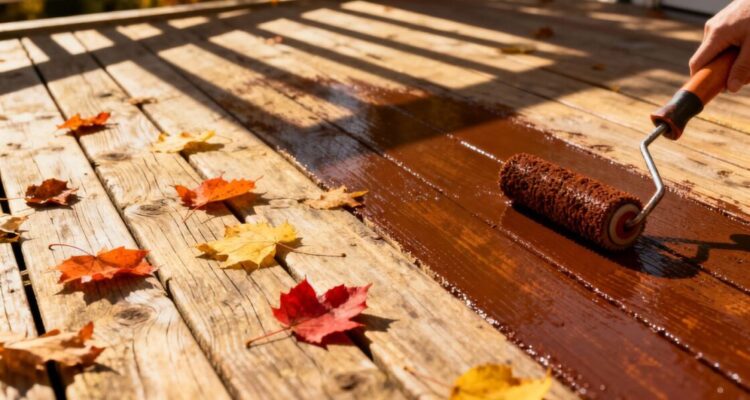
As winter approaches, we often think about protecting our homes from the cold. One area that needs attention is our outdoor decks. A well-maintained deck adds so much to our living space, but harsh weather can really do a number on it. We want to make sure our decks are ready for snow and ice, and that means picking the right stain. It’s not just about looks; it’s about making sure the wood lasts. We’ve put together some thoughts on how to select the best deck staining services to keep your deck looking good and strong through the winter months.
When winter’s chill starts to set in, we need to think about how our decks will hold up. It’s not just about looks; it’s about protecting that wood from ice, snow, and temperature swings. Picking the right stain makes a big difference in how long your deck lasts and how good it looks year after year. We’ve got to get this right before the cold really hits.
There are a few main kinds of deck stains we can choose from, and they all do slightly different jobs. Knowing the difference helps us pick the best one for our situation.
The best choice often depends on the type of wood you have and how much protection you need.
Our local weather plays a huge role. If we live somewhere with really harsh winters – think lots of snow, ice, and big temperature drops – we need a stain that can handle that.
We found that stains specifically marketed for ‘all-weather’ or ‘extreme climates’ often have added ingredients to help them perform better when the temperature really drops. It’s worth looking for those labels.
Here’s a quick look at what to expect:
| Stain Type | Penetration | Cleanup | Winter Durability | Color Options | Reapplication Frequency |
|---|---|---|---|---|---|
| Oil-Based | Deep | Mineral Spirits | Moderate | Natural Tones | More Frequent |
| Water-Based | Surface | Soap & Water | Good | Wide Range | Less Frequent |
| Hybrid | Moderate | Soap & Water | Very Good | Good Range | Moderate |
Before we even think about slapping on that winter-ready stain, we need to get the deck itself ready. It’s not just about picking the right product; how we prep the surface makes a huge difference in how well the stain sticks and how long it lasts through the cold months. We’ve found that skipping these steps is a recipe for peeling and fading way before spring.
We can’t stress this enough: a clean deck is a happy deck. Any dirt, mildew, old flaking stain, or even just grime will prevent the new stain from bonding properly. We usually start by sweeping off any loose debris. Then, it’s time for a good wash. We like to use a deck cleaner specifically designed for the type of wood we’re working with. Sometimes, a simple solution of water and a mild detergent works, but for tougher spots, a dedicated cleaner is better. We’ll scrub any stubborn areas with a stiff brush, paying close attention to corners and between the boards where gunk likes to hide. After scrubbing, we rinse everything off thoroughly. Making sure all cleaning residue is gone is key.
This is where winter staining gets a bit tricky. Wood needs to be dry before we apply stain, and in colder weather, that can take longer. We always check the weather forecast. We need a solid stretch of dry days, ideally with temperatures above freezing but not too hot either. A good rule of thumb is to stain when the temperature is between 50°F and 80°F (10°C and 27°C). We also need to consider humidity. High humidity can slow down drying significantly. We aim for a low humidity environment if possible. It usually takes at least 24 to 48 hours for the wood to dry out completely after cleaning, sometimes longer if it’s damp or cold. We’ll often do a simple water test: sprinkle a little water on the deck; if it beads up, it’s still too wet. If it soaks in, we’re good to go.
We’ve learned that patience is a virtue when it comes to deck prep, especially when the seasons are changing. Rushing the drying process is one of the most common mistakes people make, and it almost always leads to problems down the road. It’s better to wait a few extra days for the conditions to be just right than to have to redo the job sooner than expected.
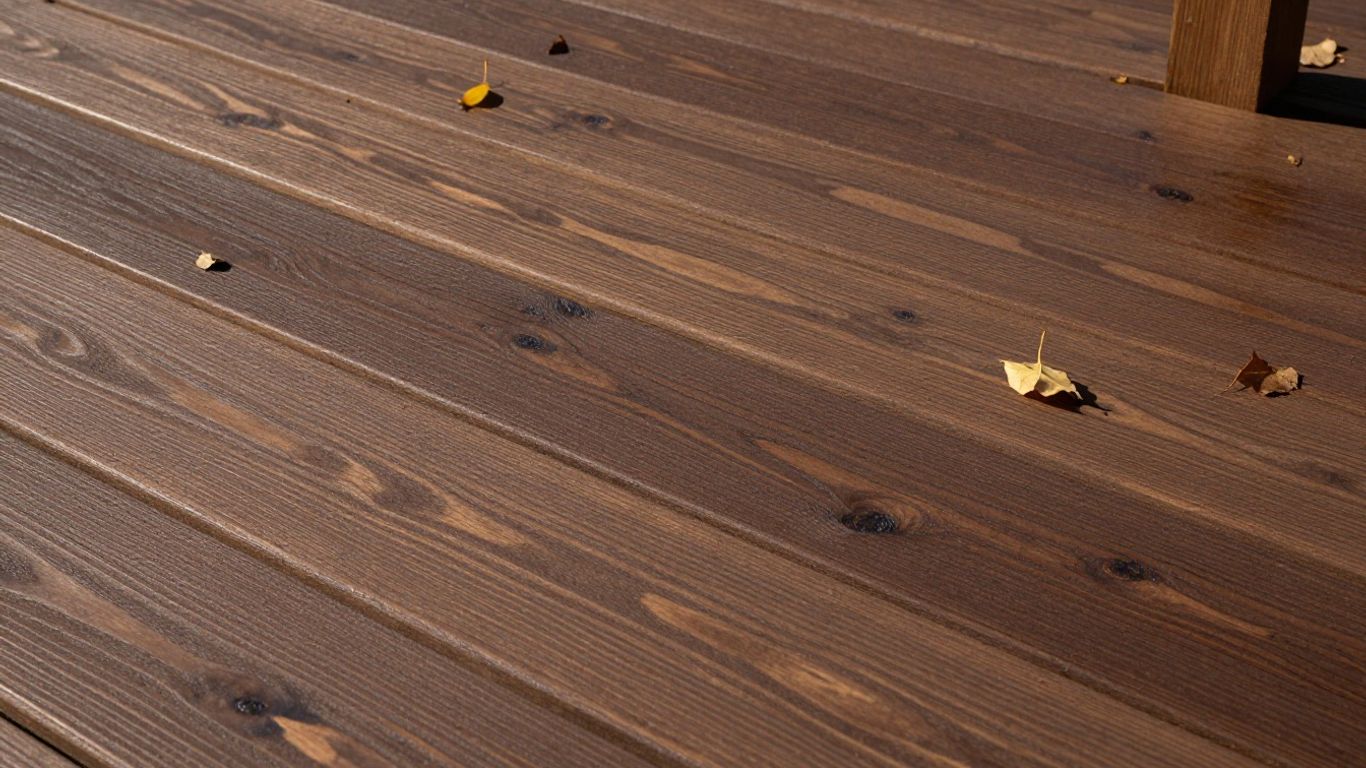
Getting the stain on right is half the battle when we’re talking about making it last through a tough winter. We want to apply the stain evenly, without any puddles or thin spots. A good brush or a pad applicator works well for getting into the wood grain. If you’re using a sprayer, make sure to back-brush immediately to work the stain in. We always recommend working in manageable sections, going with the direction of the wood planks. This helps avoid lap marks, which can really show up once the stain dries. Don’t rush this part; patience here pays off in the long run.
Once the stain is down and cured, a little regular upkeep goes a long way. We suggest sweeping your deck regularly to clear off leaves and debris. These can trap moisture, which isn’t good for the wood or the stain, especially when freezing temperatures hit. A gentle wash once or twice a year with a mild deck cleaner can also help. Just be sure to rinse thoroughly and let the deck dry completely before any chance of frost. Checking for any signs of wear, like peeling or fading, before winter really sets in is also smart. A quick touch-up on any problem areas can prevent bigger issues down the road. Think of it as giving your deck a warm coat before the cold arrives.
Keeping your deck looking good and protected through the winter isn’t just about the initial stain job. It’s about consistent care and attention. We’ve found that a little effort throughout the year makes a big difference when the snow starts to fly. It’s about protecting your investment and keeping your outdoor space usable and attractive.
Here are some quick tips we follow:
So, we’ve gone over how to pick the right stain to keep your deck looking good when the cold hits. It might seem like a lot, but taking the time now really pays off. A good stain protects your wood from snow, ice, and all that winter weather. We hope this guide helps you make a smart choice. Your deck will thank you for it when spring rolls around, looking strong and ready for another season. Happy staining!
For chilly weather, we recommend using stains that are specifically made for tough conditions. These often have a thicker base and special ingredients that help them stick better and protect your deck from frost and snow. Look for labels that mention ‘all-season’ or ‘extreme weather’ protection.
Before we even think about putting on a new coat, we must thoroughly clean the deck. This means getting rid of any dirt, mold, or old stain that might be peeling. After cleaning, we need to make sure the wood is completely dry. Waiting for a few sunny, dry days is usually best to ensure the stain soaks in properly and lasts longer.
Yes, applying the right stain in the fall is a great way to shield your deck from winter’s harshness. A good quality stain acts like a protective coat, preventing moisture from getting into the wood, which can cause it to crack or rot when it freezes and thaws. Regular check-ups and touch-ups in the spring will help keep it looking good for years.

Leave a Comment