Licensed, Bonded & Insured
Palm Beach U-21244
Broward 09-P-15607-R


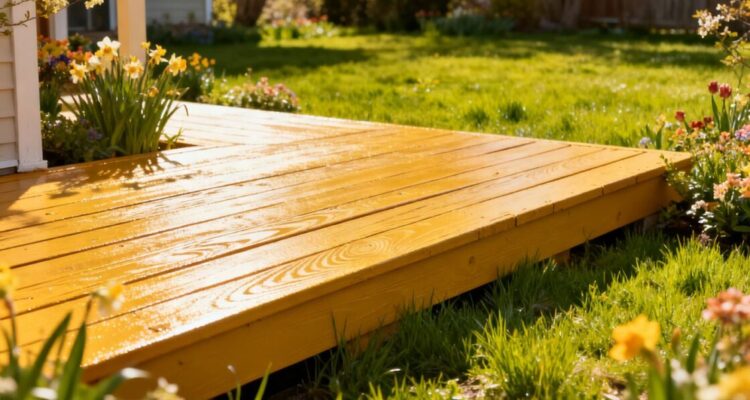
As the weather warms up, we’re all looking forward to spending more time outside. Our decks are a big part of that, but after a long winter, they might need some attention. Spring is the perfect time to get them looking good again, and a fresh coat of paint can make a huge difference. We’ll walk through what we need to do to get our decks ready for the season, from checking for problems to applying the paint.
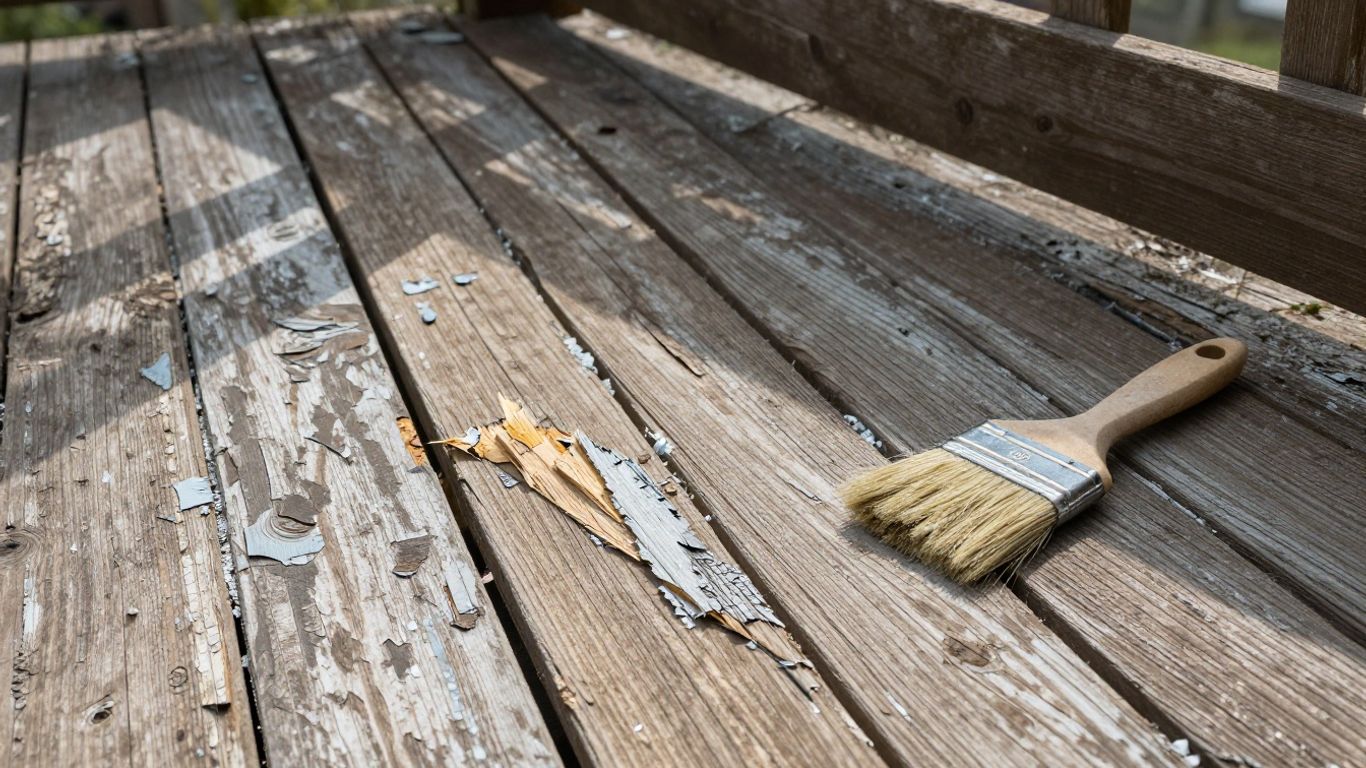
Before we even think about picking up a paintbrush, we need to take a good, hard look at our deck. It’s like a quick check-up to make sure it’s ready for its spring makeover. Ignoring potential problems now will only lead to bigger headaches later. We want this paint job to last, and that starts with a solid foundation.
This is where we get down and dirty, literally. We need to check every board, every railing post, and the stairs. Grab a flathead screwdriver or a sturdy knife and poke around. Pay close attention to areas where water might sit, like around posts or where boards meet. If the wood feels soft, spongy, or crumbles easily, that’s a sign of rot. We also need to look for any splintering, cracking, or loose boards. These aren’t just cosmetic issues; they can affect the deck’s safety and how well the paint adheres.
Once we’ve identified any structural issues, it’s time for a thorough cleaning. A deck that’s covered in dirt, mildew, or old, peeling paint won’t accept a fresh coat well. We’re aiming for a clean, dry surface. For general dirt and grime, a good scrub with a stiff brush and a deck cleaner should do the trick. If we spot any mildew or algae, we’ll need a specific cleaner designed to kill it. Make sure to rinse everything off really well and let the deck dry completely. This might take a day or two, depending on the weather.
Here’s a quick rundown of the cleaning process:
A clean, dry surface is absolutely key for paint adhesion. Don’t rush this step, no matter how eager you are to start painting. It’s the difference between a finish that lasts for years and one that starts peeling after a single season.
Picking the right paint for your deck is a big decision. It’s not just about color; it’s about protection and how long that protection will last. We want our decks to look good, sure, but more importantly, we need them to stand up to the weather, foot traffic, and whatever else comes their way.
When we look for deck paint, we’re really looking for a finish that can handle the outdoors. Think about it: sun beating down, rain, maybe even snow. We need something tough. We’ve found that paints specifically labeled for exterior wood or deck coatings are usually the best bet. These are formulated to be flexible, so they can expand and contract with temperature changes without cracking. We also pay attention to the base of the paint. Water-based (latex or acrylic) paints are generally easier to work with, clean up, and they tend to be more flexible than oil-based ones. Oil-based paints can be very durable, but they can also become brittle over time.
Here’s a quick rundown of what to look for:
Sometimes, we just don’t have the time or the inclination to do the job ourselves. That’s where professional deck painting services come in. We’ve used them before, and it can be a real time-saver. When we consider hiring someone, we look for a few things. First, we ask for references and check reviews. A good painter will have a portfolio of their work and happy customers. We also want to know what their process is. Do they handle the cleaning and prep work, or is that on us? What kind of paint do they recommend and use? Getting a detailed quote that outlines all the steps and materials is really important. It helps avoid surprises later on.
Here are some questions we usually ask when getting quotes:
Hiring professionals can be a good option if you’re short on time or want a guaranteed professional finish. Just be sure to do your homework and pick a reputable company that communicates clearly about the process and costs involved. We found that a little upfront research saved us a lot of headaches down the line.
Once we’ve got our deck prepped and ready, it’s time for the fun part: painting. Getting this right means our deck will look good and hold up against the weather for a long time. We need to be thorough here, or we’ll just be doing this all over again next year.
This is probably the most important step, honestly. If the surface isn’t clean and smooth, the paint just won’t stick properly. We’re talking about a few key things here:
We can’t stress enough how much prep work matters. It might seem tedious, but taking the time now saves us headaches and money down the road. A good foundation makes all the difference for the paint job.
With the deck prepped, we can finally start painting. We want to apply the paint in a way that gives us a durable, attractive finish.
Here’s a quick look at what we might expect for drying times:
| Condition | Touch Dry | Recoat Time | Full Cure |
|---|---|---|---|
| Ideal (70°F/21°C) | 1-2 hours | 4-6 hours | 24-72 hours |
| Cooler/Humid | 3-4 hours | 6-8 hours | 72+ hours |
Remember to check the specific paint can for exact times. Patience here really pays off for a finish that lasts.
So, there we have it. We’ve gone through the steps to get our decks looking good for the warmer months. It might seem like a bit of work now, but trust us, when you’re out there enjoying a barbecue or just a quiet evening, you’ll be glad you put in the effort. A fresh coat of paint really makes a difference, doesn’t it? We hope this guide helps you get your deck ready to be the go-to spot this spring. Now, go on and enjoy that newly painted space!
Generally, we recommend repainting your deck every two to three years. However, this can change depending on the weather in your area and how much you use the deck. If you notice the paint is peeling or the wood looks worn, it’s probably time for a fresh coat.
Before we even think about paint, we need to make sure the deck is super clean. This means getting rid of any dirt, old paint flakes, and especially any yucky mold or mildew. We also check for any wood that’s soft or broken, because that needs fixing first. A clean, smooth surface is key for the new paint to stick well and look great.
It’s best not to paint when it’s damp. For the paint to dry properly and stick the best, the deck surface needs to be completely dry. We also want to avoid painting if rain is expected soon after. Checking the weather forecast is a big part of planning the painting day.

Leave a Comment