Licensed, Bonded & Insured
Palm Beach U-21244
Broward 09-P-15607-R


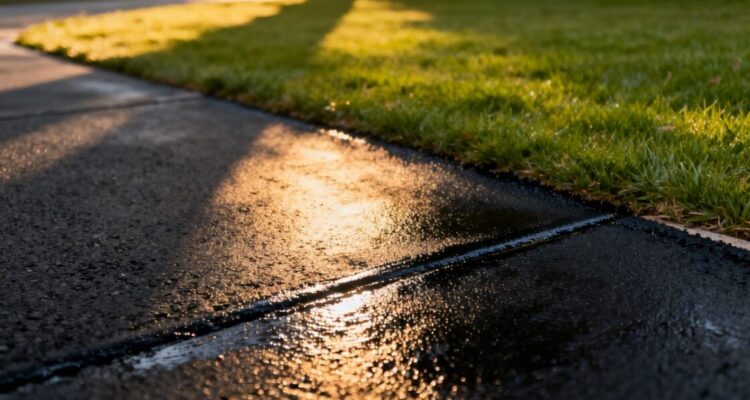
After a long winter, our driveways can look pretty rough. The cold, snow, and ice can really take a toll, leaving them cracked and faded. We know you want your home to look its best, and that starts with the outside. That’s why we’re talking about how to fix up your driveway after winter. We’ll look at how to check for damage and what kind of paint works best. We’ll also cover why sealing your driveway is a good idea and when it’s best to get professional driveway painting services involved.
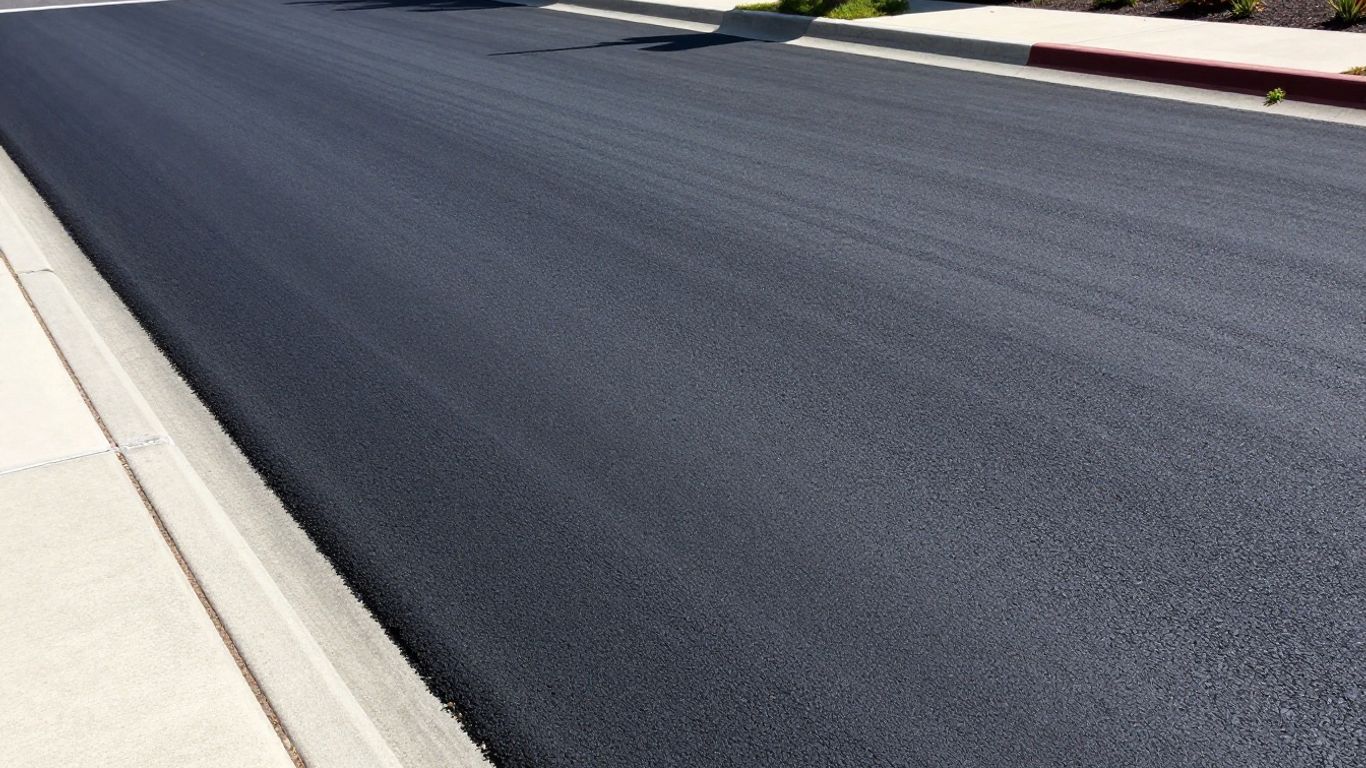
Winter can be tough on our driveways. The freeze-thaw cycles, the salt, and the general wear and tear can leave them looking pretty rough. We’ve noticed a lot of cracking, fading, and even some pitting after the cold months. It’s not just about looks, though; these issues can lead to bigger problems down the road if we don’t address them.
Before we even think about painting or sealing, we need to take a good, hard look at what winter has done. We should walk the entire surface, looking for specific signs of damage. It’s easy to miss things if we’re just glancing, so a thorough inspection is key.
Here’s what we’re typically looking for:
We should keep a simple log or take pictures of any damage we find. This helps us track the severity and plan our repairs more effectively. It’s better to be a bit over-prepared than to be surprised by a problem later.
Picking the correct paint is a big deal for making our driveways look good again. We can’t just grab any old can of paint from the hardware store. Driveway paint needs to be tough. It has to stand up to cars driving on it, the weather, and whatever else gets thrown its way.
We should consider a few things when we’re looking at paint options:
The best choice is usually a high-quality acrylic latex paint designed for concrete or asphalt surfaces. These tend to be flexible, which helps them handle temperature changes without cracking. We also need to make sure the paint is suitable for the climate we live in. Some paints are formulated for extreme heat, while others are better for colder regions. Reading the labels and maybe even asking for advice at the store can save us a lot of trouble later on.
After a long winter, our driveways often show the strain. The freeze-thaw cycles, salt, and snowplows can really take a toll. We’ve assessed the damage, and now it’s time to think about how we can keep our driveways looking good and lasting longer. It’s not just about looks, though that’s a big part of it. Protecting your driveway is really about safeguarding a significant part of your home’s exterior and preventing more costly repairs down the road.
Sealing your driveway is one of the best things we can do to shield it from the elements and everyday wear. Think of it like putting a protective coat on your driveway. It creates a barrier that stops water from seeping into the concrete or asphalt, which is a major cause of cracking, especially when it freezes and thaws.
Here are some key advantages we see from regular sealing:
We’ve found that applying a quality sealant is a straightforward process, but doing it correctly makes all the difference. It’s about preparing the surface properly and using the right product for our specific driveway material.
While sealing is a protective measure, painting is more about aesthetics and adding another layer of defense. We usually consider painting when the driveway’s color has faded significantly, or when we want to add a decorative touch. It’s also a good idea if the sealant alone isn’t providing enough protection against stains or wear.
We typically look at professional painting services in these situations:
The best time to schedule these services is usually in the warmer months, typically late spring or early fall, when temperatures are moderate and there’s little chance of rain. This allows the paint and sealant to cure properly, giving us the best possible results and a driveway that looks great and stands up to whatever comes its way.
So, we’ve gone through why taking care of your driveway after winter is a good idea. It’s not just about looks, though a nice-looking driveway is a plus. Protecting it now means you won’t face bigger, more expensive problems down the road. Think of it as a little bit of work now to save a lot of hassle later. We hope this guide helps you get your driveway back in shape and ready for whatever the next season throws at it. Give it a try, and you’ll likely be pleased with the results.
We should look for signs like faded color, cracks, or rough spots. If the surface looks dull or worn out from the snow and ice, it’s probably time for a refresh. We can also check for any oil stains or damage from salt. A good look-over will tell us if painting is needed.
Painting adds a new color and a protective layer, making it look great again. Sealing, on the other hand, focuses more on protection. It creates a barrier that helps keep out water, oil, and other things that can harm the driveway. Often, we do both to get the best look and protection.
The ideal time is when the weather is warm and dry, usually in the spring or early summer, after the last frost. We need a few days without rain for the paint and sealer to dry properly. We should avoid painting when it’s too hot or too cold, as this can affect how well the products stick and last.

Leave a Comment