Licensed, Bonded & Insured
Palm Beach U-21244
Broward 09-P-15607-R


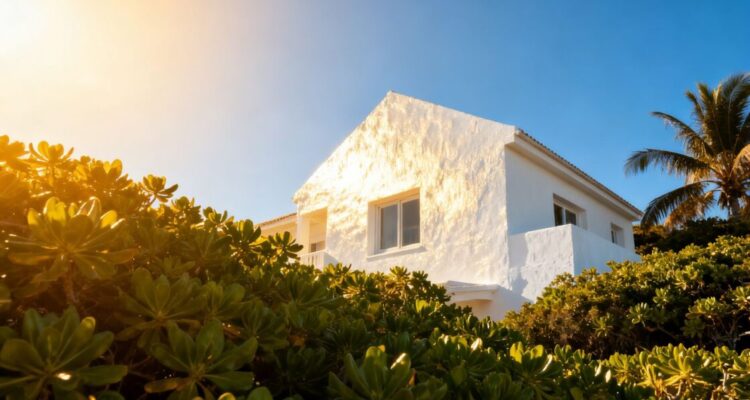
Living by the coast means our homes face a lot of sun. That bright sunshine, while lovely, can really wear down exterior paint over time. We’ve been looking into ways to protect our homes from this constant solar beating, and it turns out there are some smart solutions out there. This article explores how the right coatings can make a big difference in keeping our coastal homes looking good and standing strong against the sun’s rays. We’ll talk about why this matters and what to look for when choosing paint.
Living near the coast has its perks, but the constant sun and salty air can really take a toll on our homes’ exteriors. We’ve all seen it – paint fading, wood looking tired, and surfaces just generally losing their luster. This isn’t just about looks, though; it’s about protecting the very structure of our homes from the relentless assault of the elements.
The sun, while beautiful, emits ultraviolet (UV) radiation. This radiation is a primary culprit behind the breakdown of many exterior materials. Think of it like a slow, invisible bleaching process. Over time, UV rays break down the chemical bonds in paints, sealants, and even the natural materials like wood. This leads to a cascade of problems:
The intensity of UV exposure is often higher in coastal areas due to the reflective properties of water and sand. This means our homes are getting a double dose of damaging rays.
We need to be aware that the environment we love also presents unique challenges to the upkeep of our homes. Proactive measures are key to maintaining their integrity and appearance.
This is where specialized coatings come into play. Modern exterior paints and finishes are formulated with advanced UV inhibitors. These aren’t just simple colorants; they are sophisticated chemical additives designed to absorb or reflect UV radiation before it can damage the underlying material. They act like sunscreen for your house.
Choosing a paint with these components means you’re not just applying a coat of color; you’re investing in a protective shield. This shield helps maintain the paint’s integrity, prevents premature fading, and extends the life of the coating, saving us time and money on frequent repainting. It’s about making smart choices for long-term resilience against the sun’s persistent rays.
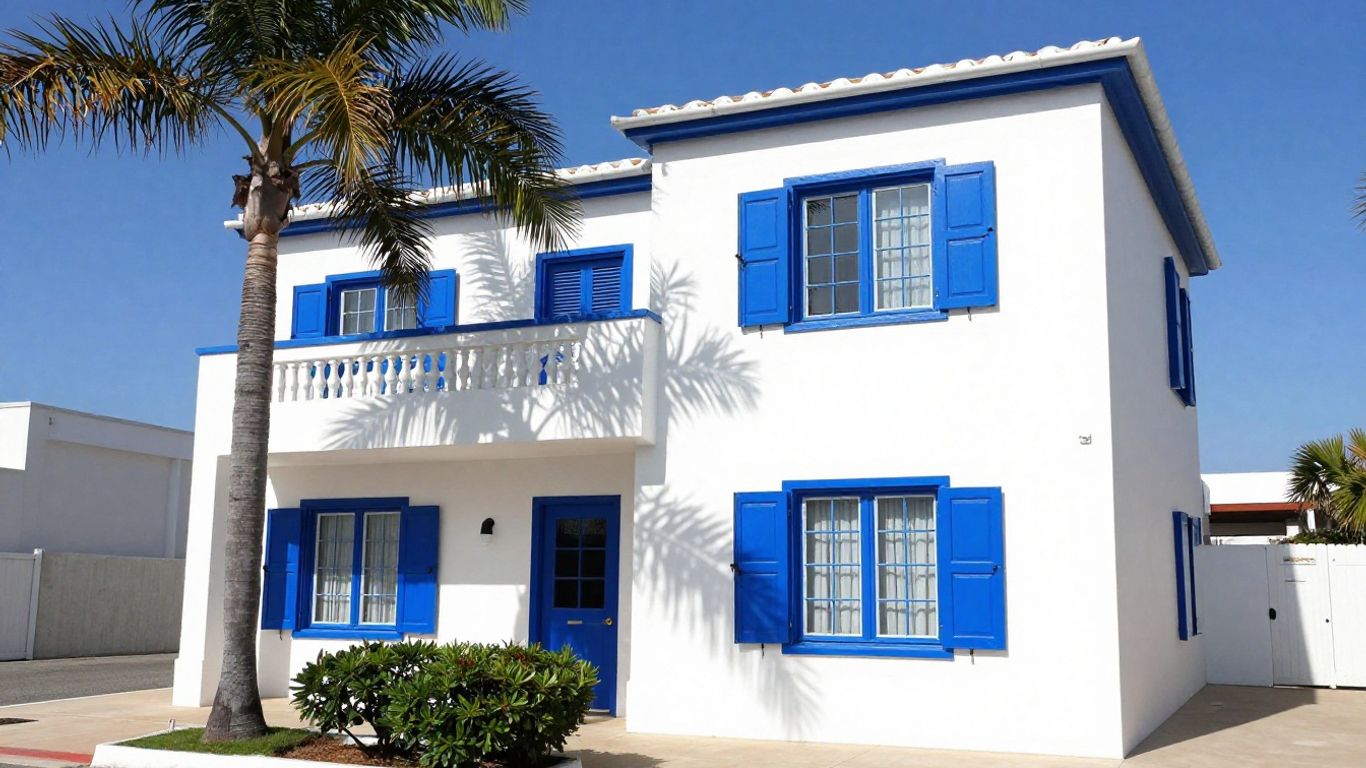
Choosing the right paint for homes in sunny, coastal areas is more than just picking a pretty color. We need coatings that can stand up to constant sun and salty air. It’s about making smart choices now to avoid bigger headaches later.
When we look at paint labels, we’re really looking for specific things that fight off the sun’s harsh rays. The main players here are the pigments and the binders. Pigments give paint its color, and some are much better at resisting fading than others. Titanium dioxide is a common white pigment that’s pretty good, but for colors, we want to see pigments that are known for their durability. Think about ceramic microspheres or certain iron oxides; they tend to hold their color longer.
The binder is like the glue that holds the pigment particles together and makes the paint stick to the surface. For UV resistance, acrylic binders are generally superior to vinyl or alkyd binders. High-quality 100% acrylic latex paints offer the best flexibility and adhesion, which helps prevent cracking and peeling when exposed to heat and moisture.
Here’s a quick look at what to prioritize:
Beyond just UV protection, we need to think about the whole package. Coastal areas mean salt spray, high humidity, and often strong winds. A coating needs to be tough.
We often see performance claims, but how do we really know what’s best? Checking warranties can give us a clue, but we also need to consider the paint’s overall formulation. A thicker paint film, for instance, usually means better protection. We’ve found that paints with higher solids content tend to be more robust.
Here are some points we consider:
When selecting coatings, we always ask about the expected lifespan under similar conditions. While a "lifetime" warranty sounds great, understanding the manufacturer’s testing and the specific environmental factors they account for is more helpful. We’ve learned that a slightly higher upfront cost for a proven, high-performance coating saves us money and hassle in the long run.
We’ve seen that a good quality paint job, using the right materials, can last significantly longer. It’s not just about the look; it’s about protecting our investment from the elements. We’re talking about years, sometimes even a decade or more, of good performance if we make the right choices from the start. That’s a big difference compared to paints that might look okay for a few seasons but then start to fail. We want our homes to look good and be protected, and that starts with the paint we choose. It really comes down to balancing cost with long-term performance. We’ve found that the paints that claim superior UV protection and durability often come with a higher price tag, but they are worth it. We’ve had experiences where cheaper paints faded quickly or started peeling within a couple of years, requiring repainting much sooner than expected. This not only costs more in materials but also in labor and the inconvenience of having the house look unkempt. Therefore, we always recommend investing in the best quality paint we can find for these exposed locations. It’s a simple equation: better materials equal better results and fewer problems down the road.
So, we’ve looked at how UV protective coatings can really help keep our coastal homes looking good, even with all that sun. It’s not just about making things pretty, though. These coatings actually protect the materials underneath from breaking down over time. We think it’s a smart move for anyone living near the sea. Taking the time to pick the right coating now can save a lot of hassle and money down the road. We hope this gives you a good starting point for protecting your own place.
The constant sunshine and salty air near the coast can really wear down the outside of our houses. The sun’s rays, called UV rays, can fade colors and make paint crack or peel over time. Salty air can also speed up this damage. We use special paints with UV protection to help our homes look good and last longer against these tough conditions.
Good sun-blocking paints have special ingredients, like titanium dioxide, that act like tiny shields. These ingredients bounce the sun’s harmful UV rays away from the paint. We look for paints that are made to be tough and can handle lots of sun and weather without breaking down easily. This means they won’t fade or chip as quickly.
When we choose the right kind of paint designed for sunny, coastal areas, it can last for many years. We’re talking about a decade or even more in some cases, much longer than regular paint. This saves us time and money because we won’t have to repaint as often. It’s an investment in keeping our homes looking great and protected.

Leave a Comment