Licensed, Bonded & Insured
Palm Beach U-21244
Broward 09-P-15607-R


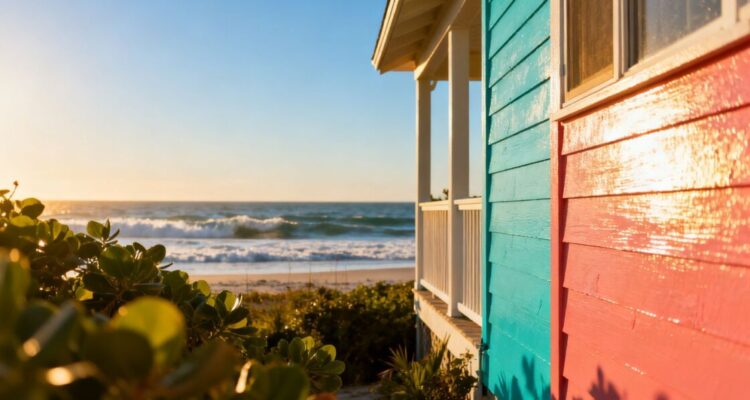
When we live near the coast, our homes face a lot of sun. This strong sun can really wear down exterior paint over time. We need to pick paints that can stand up to this. In this article, we’ll look at how to choose the right sun resistant exterior paint for places with lots of sunshine and salty air.
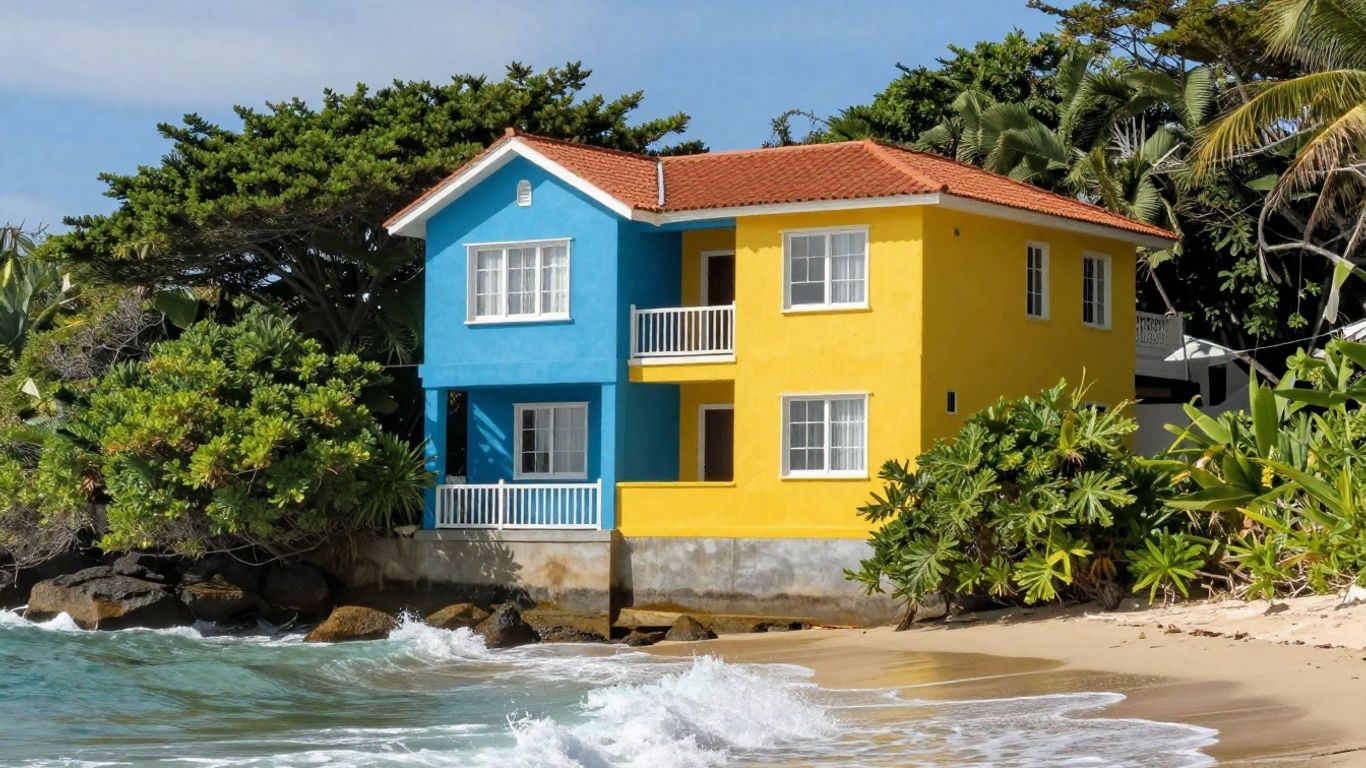
Living near the coast means dealing with a lot of sun, and not just the nice kind. The sun’s rays can really beat down on our homes, especially during the summer months. We’ve noticed that paint on houses near the water often seems to fade or peel faster than inland. This is because coastal areas often get more direct sunlight, and the salt in the air can add to the wear and tear. It’s a tough environment for any exterior surface.
When we talk about intense sunlight, we’re mostly concerned with ultraviolet (UV) radiation. These rays are powerful and can break down the binders in paint, which are the parts that hold the color together and make it stick to the surface. Over time, this breakdown leads to chalking, where the paint surface turns powdery and rubs off. It also causes fading, making vibrant colors look dull and washed out. Think about how a bright t-shirt left out in the sun for too long starts to look faded – it’s the same principle, but on a much larger scale for our homes.
So, what makes a paint stand up better to all that sun? It comes down to a few specific qualities. We need paints that are formulated to fight off UV damage. This usually means they have special additives or a different type of binder that’s more resistant to breaking down. We also look for paints with high-quality pigments that are less likely to fade. Sometimes, the color itself plays a role; lighter colors tend to reflect more sunlight and heat, which can help reduce the stress on the paint film.
Here are some things to look for:
When choosing paint for a coastal home, it’s not just about picking a pretty color. We need to think about how the paint will perform day in and day out against the elements. The sun is a major factor, and selecting a paint designed to resist its effects will save us a lot of trouble and money down the road. It’s an investment in the longevity of our home’s appearance and protection.
Choosing the right paint for a coastal home means looking beyond just the color. We need to think about how it will hold up against the elements, especially that relentless sun.
When we’re picking out paint, the first thing we should really focus on is how long it’s going to last and how well it resists fading. Coastal areas get a lot of sun, and that UV radiation can really break down paint over time, making it look dull and washed out. We want a paint that’s built tough.
Here’s what we should look for:
We found that paints with a higher solids content often offer better protection and durability. It’s like a thicker shield against the sun’s rays.
While the sun is a major player, it’s not the only thing we need to worry about by the coast. The salt spray, the humidity, and even the wind can all take a toll on exterior paint. So, we have to consider these other factors too.
We learned that sometimes the best paint isn’t the cheapest one upfront. Investing a bit more in a paint that’s formulated for tough conditions can save us a lot of headaches and money on repainting down the road. It’s about finding that balance between cost and long-term performance.
When we compare different brands, we often see charts that break down their performance. For example:
| Feature | Basic Paint | Premium Coastal Paint |
|---|---|---|
| UV Fade Resistance | Fair | Excellent |
| Salt Spray Adhesion | Poor | Very Good |
| Mildew Resistance | Fair | Excellent |
| Flexibility | Moderate | High |
This kind of comparison helps us see where the extra cost in a premium paint really pays off for our specific needs.
So, we’ve talked a lot about picking the right paint for your home by the sea. It’s not just about picking a pretty color, you know? The sun and salt can really do a number on your house’s exterior. We looked at what makes a paint tough enough to handle all that. Remember to check those labels for UV protection and mildew resistance. It might seem like a small detail, but getting the paint right now will save you a lot of headaches and money down the road. Your home will look good and be protected for years to come. Happy painting!
The sun’s rays, especially when they bounce off the water, are very strong. This intense light can break down the paint, making it look dull and faded over time. Think of it like how too much sun can fade your clothes; it does the same to your house’s paint, but much faster in coastal areas.
We look for paints that have special ingredients. These ingredients help the paint hold onto its color even when the sun beats down. Good sun-resistant paints also resist cracking and peeling, so they stay looking nice for longer, even with all the sun and salty air.
We must also consider the salty air and wind, which can be harsh. Humidity plays a role too. Choosing a paint that can handle these things, not just the sun, will help it last much longer and keep our homes looking great.

Leave a Comment