Licensed, Bonded & Insured
Palm Beach U-21244
Broward 09-P-15607-R


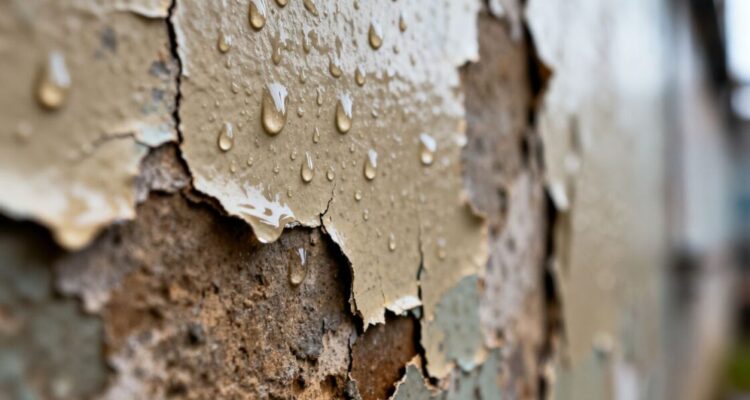
Dealing with paint that bubbles and then peels off the wall can be really frustrating, especially when you live somewhere with a lot of damp air. We’ve seen it happen, and it makes even a nicely painted room look pretty bad. This problem often pops up in bathrooms, kitchens, or even outside walls that get a lot of moisture. But don’t worry, there are ways to stop this from happening. We’ll go over why humidity causes these issues and what we can do to prevent them, focusing on good paint blistering prevention.
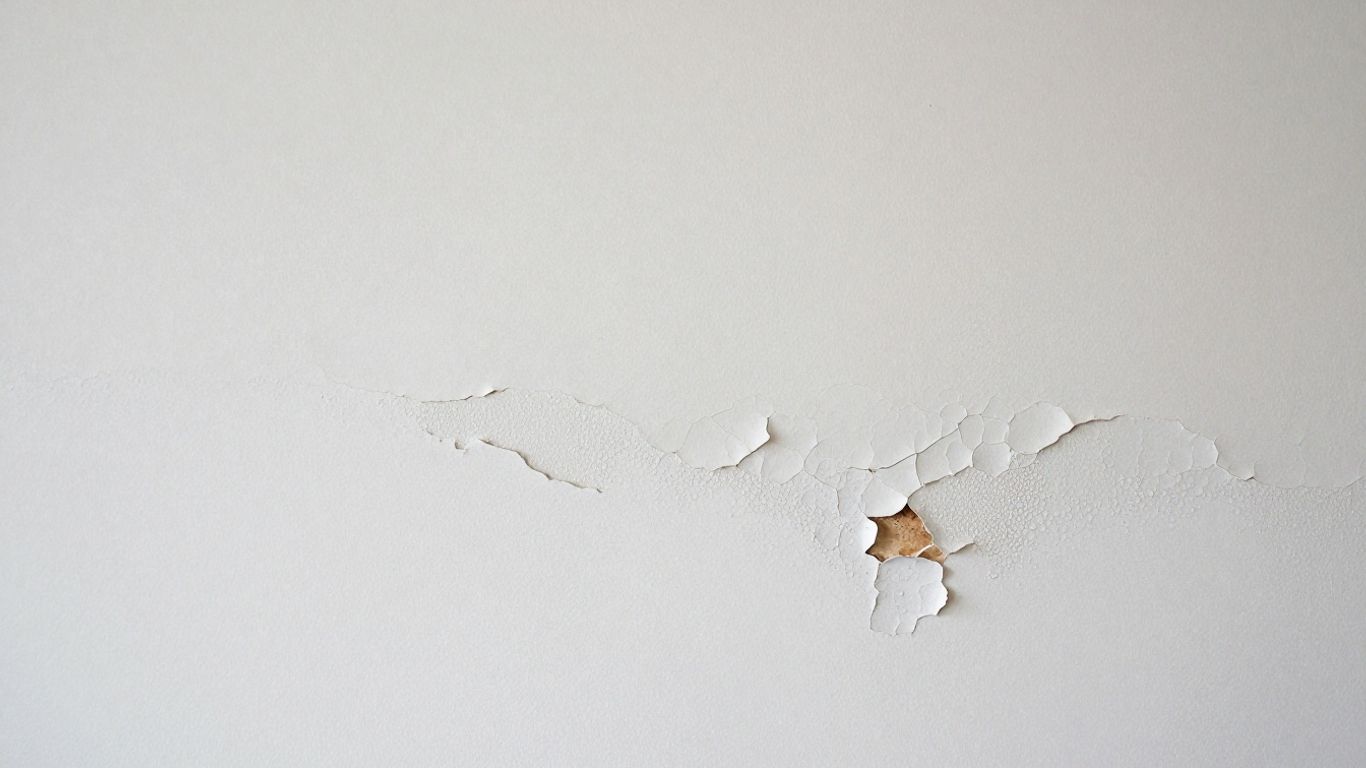
High humidity can really mess with our paint jobs, turning what should be a nice finish into a real headache. We’ve all seen it – paint that just doesn’t seem to stick right or starts looking bad way too soon. It’s mostly about moisture, and how it interacts with the paint and the surface underneath.
So, how does this happen? Basically, moisture gets trapped. It can come from the air, or it can seep through the wall from the inside. When this moisture hits the paint film, it can push against it. Think of it like a tiny balloon forming under the paint. This pressure builds up, and eventually, the paint can’t hold on anymore, leading to those ugly blisters. It’s a chemical reaction, too. Water can break down the binders in the paint, weakening its hold on the surface. This is especially true if the paint wasn’t applied correctly or if the surface wasn’t prepped right. We often see this problem on exterior surfaces after a long stretch of damp weather, or even inside bathrooms and kitchens where steam is common.
Spotting these issues early can save us a lot of trouble. The most obvious sign is, of course, the blisters themselves. They can be small at first, like little bubbles, but they grow. You might also notice the paint starting to flake or peel away from the wall. Sometimes, it’s not as dramatic as blisters; you might just see a general dullness or chalkiness to the paint, which means the binder is breaking down. Another thing to look for is discoloration. Moisture can carry minerals or other stuff with it, leaving stains behind. We’ve also seen paint just feel soft or sticky to the touch, even long after it should have dried hard. It’s a clear sign that something isn’t right underneath the surface.
It’s not just about how the paint looks; it’s about the integrity of the protective layer we’ve applied. When moisture gets involved, it compromises that layer, making it vulnerable to further damage from things like UV rays and physical wear.
Here are some common indicators we look for:
When we’re dealing with areas that get a lot of moisture, like bathrooms, kitchens, or even exterior walls that face a lot of rain, preventing paint from blistering and peeling is a big concern. It’s not just about how it looks; it’s about protecting the surface underneath. We’ve found that a few key steps make a world of difference.
Getting the surface ready is probably the most important part, especially when humidity is high. If we don’t do this right, even the best paint will eventually fail. We need to make sure the surface is completely dry and clean before we even think about applying primer or paint.
Choosing the correct paint is just as vital as preparing the surface. Not all paints are made equal, and some just can’t handle constant dampness.
When we’re painting in humid conditions, patience is key. Rushing the drying time between coats can trap moisture, leading to problems down the line. Always follow the manufacturer’s recommendations for drying and recoating times, and if possible, allow for extra drying time in damp weather.
We’ve found that using a good quality paint specifically formulated for high-moisture areas can make a significant difference in how long the paint job lasts.
Even with the best preparation and paint choices, keeping your surfaces looking good in humid conditions requires ongoing attention. We’ve found that a little regular upkeep goes a long way.
We make it a point to check our painted surfaces, especially those in bathrooms, kitchens, or basements, at least twice a year. Look for any small signs of trouble. This might be a tiny bubble just starting to form, a slight discoloration, or a patch where the paint seems to be losing its grip. Catching these issues early is key.
When you spot a minor imperfection, don’t just ignore it. We usually have a bit of the original paint mixed up for easy touch-ups. A small brush and a steady hand can fix a tiny bubble or a scratch before it has a chance to spread. For areas that get a lot of wear or direct moisture, like shower surrounds, we might even apply a clear sealant over the touch-up for extra protection.
We’ve learned that consistent, small efforts are far more effective than waiting for a major failure. It’s about being proactive rather than reactive when it comes to paint in damp places. This approach helps maintain the integrity and appearance of our paint jobs over time, saving us headaches and money down the line.
So, we’ve talked about why high humidity can be a real pain for painted surfaces, causing those annoying blisters and peeling bits. It’s not just about picking the right paint, though that’s a big part of it. We also covered how important good ventilation is, and why prepping your surfaces right makes a huge difference. Following these steps might seem like a bit of extra work upfront, but trust us, it’s way better than having to repaint sooner than you’d like. Keep these tips in mind, and you’ll have a much better chance of keeping your paint looking good, even when the air is thick with moisture.
When there’s a lot of moisture in the air, it can get trapped between the paint and the surface it’s on. This trapped water pushes against the paint, causing it to lift and form bubbles. Eventually, these bubbles can break, leading to peeling. It’s like a tiny water balloon under your paint!
For areas with high humidity, we recommend using paints that are made to resist moisture. Look for paints labeled as ‘mildew-resistant’ or ‘exterior’ grade, as these are designed to handle damp conditions better. They often have special ingredients that help them stick well and keep water out.
We should take a close look at our painted surfaces every few months, especially after periods of very wet weather. Keep an eye out for any small bubbles, peeling spots, or signs of mold. Catching these issues early makes them much easier to fix before they become a bigger problem.

Leave a Comment